But what truly maintains the audience's interest is its impactful ending full of interpretations — one of the most debated endings in modern horror cinema.
What is the story of The Orphanage
The plot follows Laura, played by Belén Rueda, a woman who returns to the old orphanage where she lived in childhood. Her goal is to renovate the place and transform it into an institution to shelter children with disabilities.
However, moving into the mansion marks the beginning of strange occurrences.
Simón's Role in the Narrative
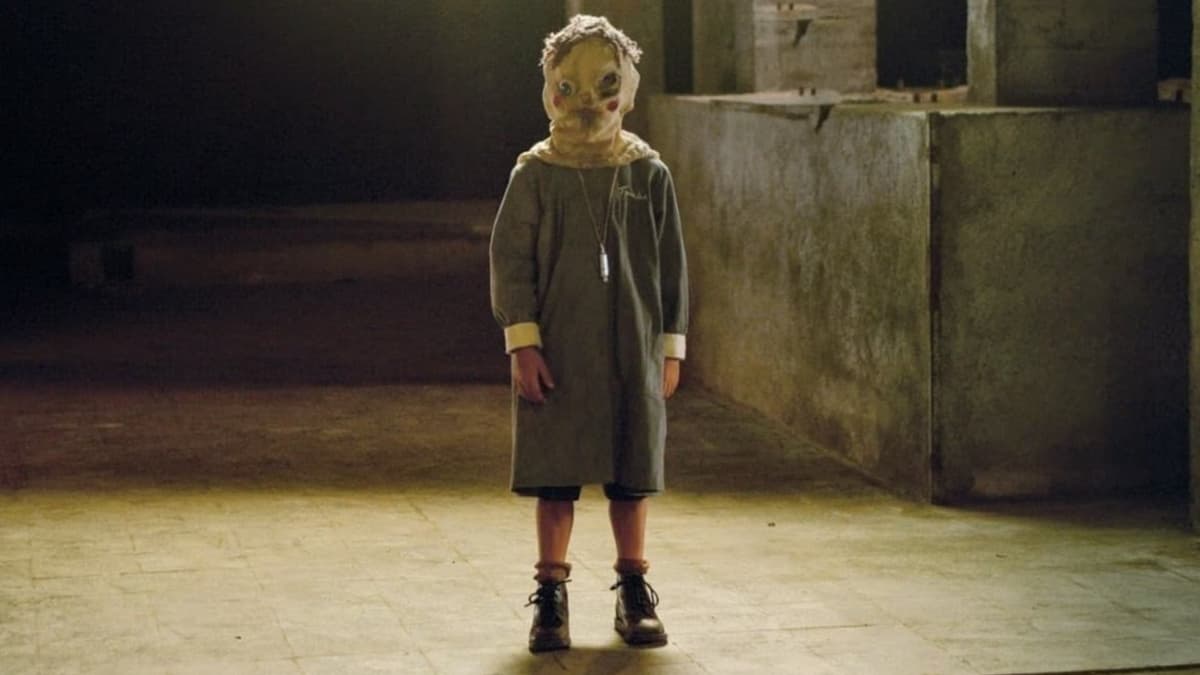
Laura's adopted son, Simón (played by Roger Príncep), begins displaying unusual behaviors. He claims to be playing with "new friends" that no one else can see.
This element is fundamental for building suspense as it mixes: imagination, possible supernatural presence, and the family's emotional fragility.
When Simón mysteriously disappears, the film completely changes tone, moving from a family drama to an anguishing psychological thriller.
What Differentiates The Orphanage From Other Horror Films
Despite working with classical elements — such as haunted houses and child spirits — the film stands out for how it constructs fear.
Instead of contemporary productions, the film avoids excessive jump scares. Instead, it relies on silence, enclosed environments, gradual tension building, and emotion tied to loss.
This style brings the film closer to works like The Others, creating a deeper and less superficial experience.
The film also stands out in technical aspects: precise editing by Elena Ruiz, striking soundtrack by Fernando Velázquez, and intelligent use of long shots. One of the most praised moments is a sequence of continuous tension that avoids quick cuts, something rare in the genre.
The Orphanage's Ending Explained
The ending of The Orphanage is the main reason why the film continues to be discussed.
Throughout the investigation, Laura discovers that Simón died accidentally inside the house itself after falling and becoming trapped in a secret hiding place.
This revelation completely changes the film's interpretation: the "imaginary friends" were actually spirits of other children, the house environment holds traumas from the past, and the pain of loss is the true center of the story.
In one of the most emotional scenes, Laura decides to remain in the house and symbolically unite with the children. This choice can be interpreted in two ways: as a literal act (death and meeting with spirits) or as a metaphor for accepting loss.
The film does not deliver definitive answers, which amplifies its emotional impact.
Is There a True Story Behind the Film?
Although The Orphanage is not directly based on a true story, it resonates with historical cases and plausible situations involving institutions for children.