Direction was handled by Mankyū, known for projects that balance lightness and introspection. The animation is signed by Studio KAI, responsible for delivering clean, expressive visuals consistent with the narrative's tone.
What is the story of Ice Wall about
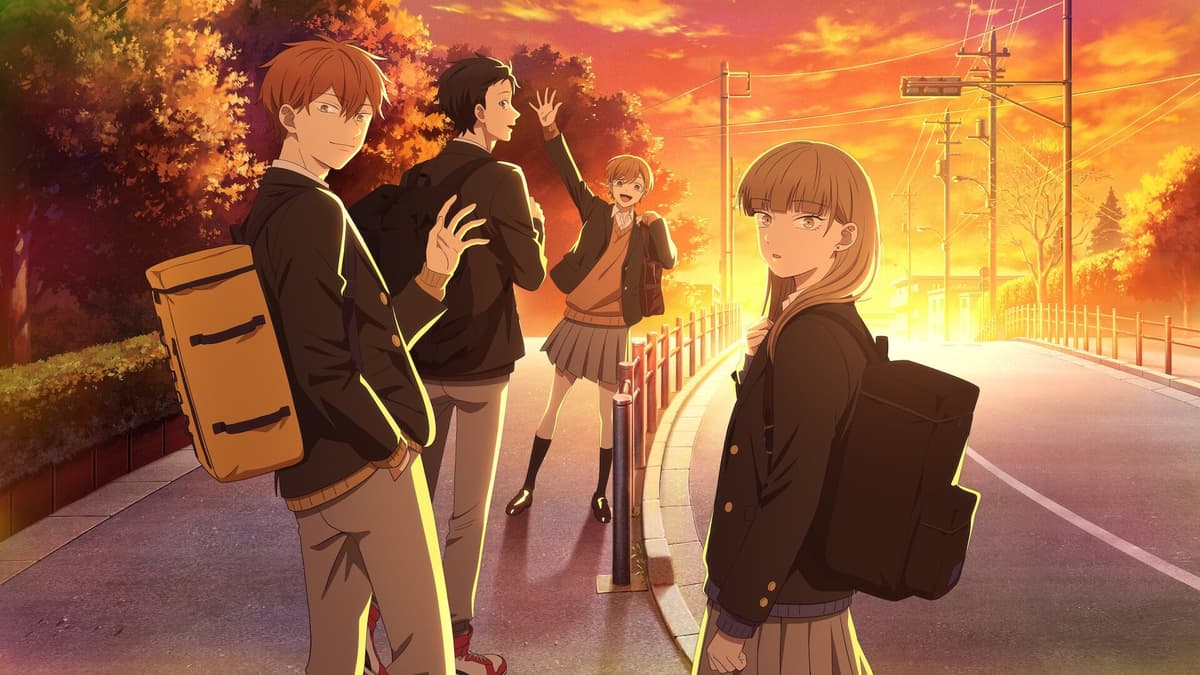
The plot follows Koyuki Hikawa, a high school student who avoids getting close to people. Marked by past experiences and emotional difficulties, she builds a kind of "invisible barrier" to protect herself from new frustrations.
This behavior begins to change when Minato Amamiya enters her life. Unlike her other classmates, he insists on interacting with Koyuki naturally, without judgment. Gradually, this insistence opens space for an unexpected connection.
Besides them, other characters gain importance: Miki Azumi, who represents care and emotional support; and Yota Hino, responsible for bringing lightness to the group.
The narrative develops from these simple but meaningful interactions. There are no major plot twists — the focus is on small gestures, silences, and internal conflicts typical of adolescence.
An anime that bets on "less is more"
One of Ice Wall's main differentials is its narrative proposal. While many romantic animes bet on intense dramatic scenes or grand declarations, here emotion is built gradually.
Koyuki is not an idealized protagonist. She presents insecurities, communication difficulties, and defensive behaviors common in real life. This makes the character more human and relatable to the audience.
The direction opts for a slower pace, allowing the viewer to absorb each interaction. This style may not appeal to those seeking constant action, but it's ideal for those who appreciate introspective stories.
The bonds between characters don't arise forced. They develop based on coexistence, creating a sense of authenticity that strengthens the emotional impact of the work.
The voice acting cast contributes directly to the success of the adaptation, bringing important nuances to each character: Anna Nagase interprets Koyuki Hikawa; Shoya Chiba voices Minato Amamiya; Fuka Izumi interprets Miki Azumi; and Satoshi Inomata completes the group as Yota Hino.
Production and origin: from manga to anime
Before arriving on Netflix, Ice Wall originated as a webcomic, gaining popularity quickly. Later, it was officially published by Shueisha. The success of the original work was decisive for the anime adaptation, which maintained its essence: focus on real emotions, approach to social anxiety and isolation, and gradual construction of relationships.
Is Ice Wall worth watching?
Yes, especially for those who like animes focused on emotional development and more realistic stories. It's recommended for fans of slow romance, those who enjoy slice of life, and viewers who prefer more human stories.
Positive points: sensitive narrative, realistic characters, and intimate direction. Points of attention: slower pace and few plot twists.