A farewell marked by excess and repetition
From the first episodes, a sense of déjà vu is inevitable. The Boys returns with all its characteristic elements, but without major initial surprises.
The repeating formula
The series maintains its identity based on:
Extreme graphic violence — Shocking scenes continue to be a trademark, raising brutality to new levels.
Acid and uncomfortable humor — Sarcasm remains present, often exploring absurd and grotesque situations.
Direct political criticism — The narrative continues to dialogue with contemporary themes, including authoritarianism, media manipulation, and personality cults.
Despite this, the early episodes give the impression that the series is recycling ideas already explored in previous seasons.
Characters trapped in narrative cycles
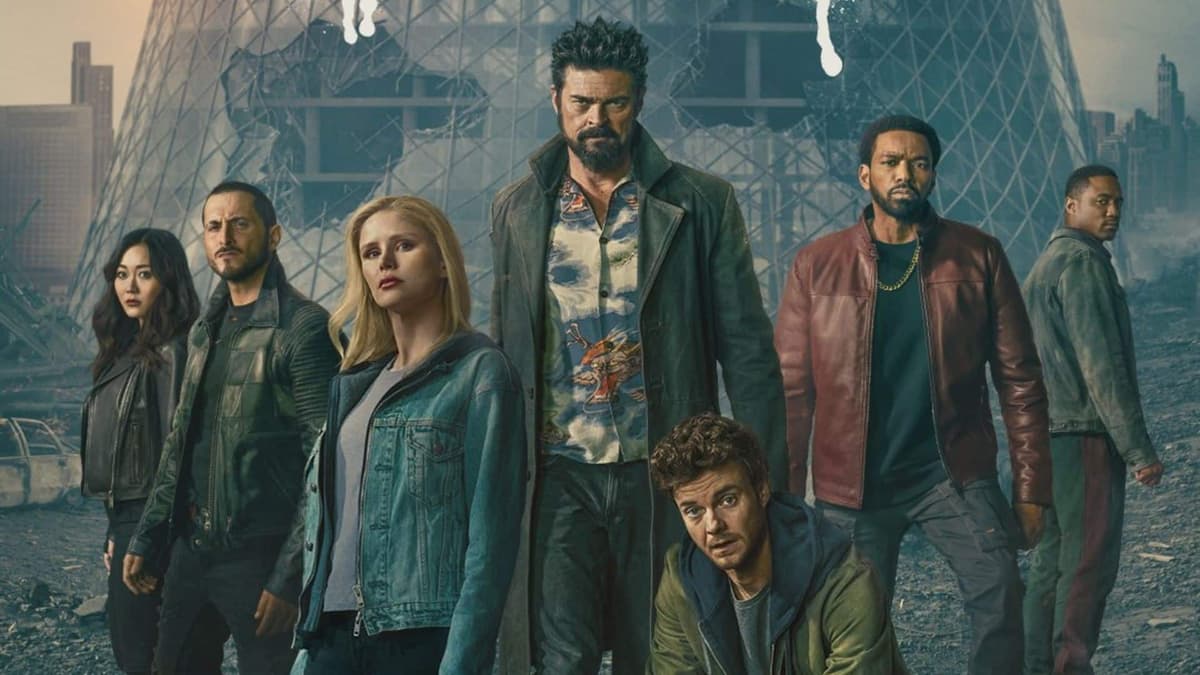
Central characters like Billy Butcher, played by Karl Urban, remain trapped in already-known behaviors. His aggressive and obsessive posture barely evolves initially, reinforcing the sense of repetition. The same happens with Hughie, played by Jack Quaid, who remains torn between morality and survival in an increasingly chaotic world.
The creative turn in the middle of the season
If the beginning may seem predictable, the second half of the season completely changes the rhythm.
Bolder and more experimental episodes — The series begins investing in more creative narratives, including episodes with strong influences from horror and science fiction.
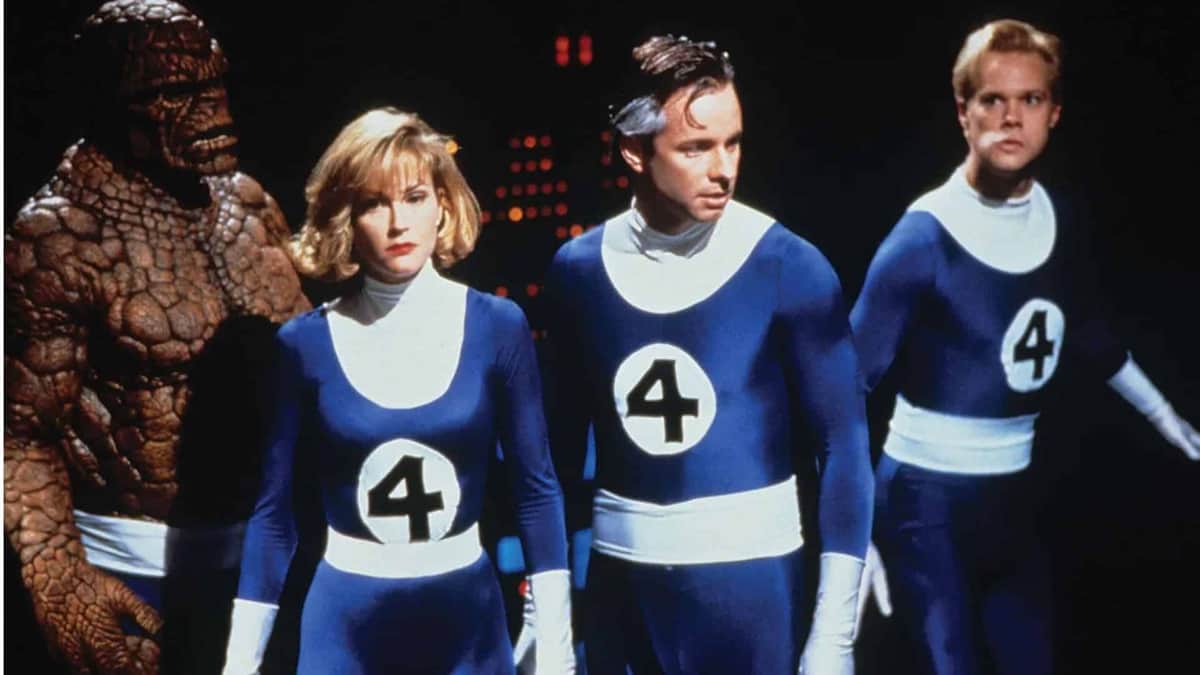
Pop culture references — There are tributes to classics like Star Trek and indirect dialogues with contemporary productions like The Last of Us, expanding the series' universe.
Expansion of the narrative universe — Secondary characters gain depth, with more elaborate stories and complex motivations.
Development of secondary characters — Figures like Firecracker and Sister Sage gain greater relevance, contributing to enrich the plot.
New dramatic layers — These characters bring different perspectives on power, ideology, and morality, expanding the series' central debate.
Homelander and the height of madness
The season's major highlight continues to be Homelander, played by Antony Starr.
From hero to messianic figure — In this season, the character surpasses the limits of megalomania and begins to see himself as a divine entity.
Personality cult — The narrative explores how figures of power can manipulate masses, creating direct criticism of political and religious movements.
Social consequences — Homelander's rise generates profound impacts on the portrayed society, bringing the world to the brink of collapse.
A striking performance — Antony Starr delivers an intense performance, using facial expressions and tone changes to convey the character's psychological instability.
Philosophical and existential themes — Beyond the visual spectacle, the series ventures into deeper questions about power, morality, and the human condition.