A fictional portrayal of a real tragedy
The importance of revisiting the past: The Cesium-137 accident in Goiânia, which occurred in 1987, is often compared to the Chernobyl Disaster in terms of psychological and social impact, albeit on different scales. By transforming this episode into audiovisual narrative, the miniseries fulfills an essential role: reintroducing the subject to new generations who know little or nothing about what happened.
More than recounting facts, the work proposes to translate the human dimension of the tragedy, highlighting the population's lack of knowledge about radiation risks and the consequences of negligent decisions.
Fiction versus reality
Like Chernobyl, the Brazilian production opts to adapt events to make them more understandable and dramatic. This includes the creation or modification of characters and situations, always with the objective of building an engaging narrative. This choice may bother those seeking absolute precision, but it is fundamental to reaching a broader audience.
Narrative structure and suspense construction
A thriller that grows gradually: The miniseries adopts a progressive narrative structure, especially in the initial episodes. Rather than presenting chaos immediately, the plot builds tension gradually, showing how a sequence of seemingly trivial decisions triggers a crisis of massive proportions. This approach is effective because it places the viewer in the same position as the victims: without fully understanding the danger until it's too late.
The use of multiple viewpoints
The narrative is divided among different storylines, allowing a broad view of the tragedy. From ordinary workers to authorities and scientists, each group contributes to understanding the event. This resource expands the dramatic reach of the series while highlighting social inequalities and institutional failures.
Characters and performances
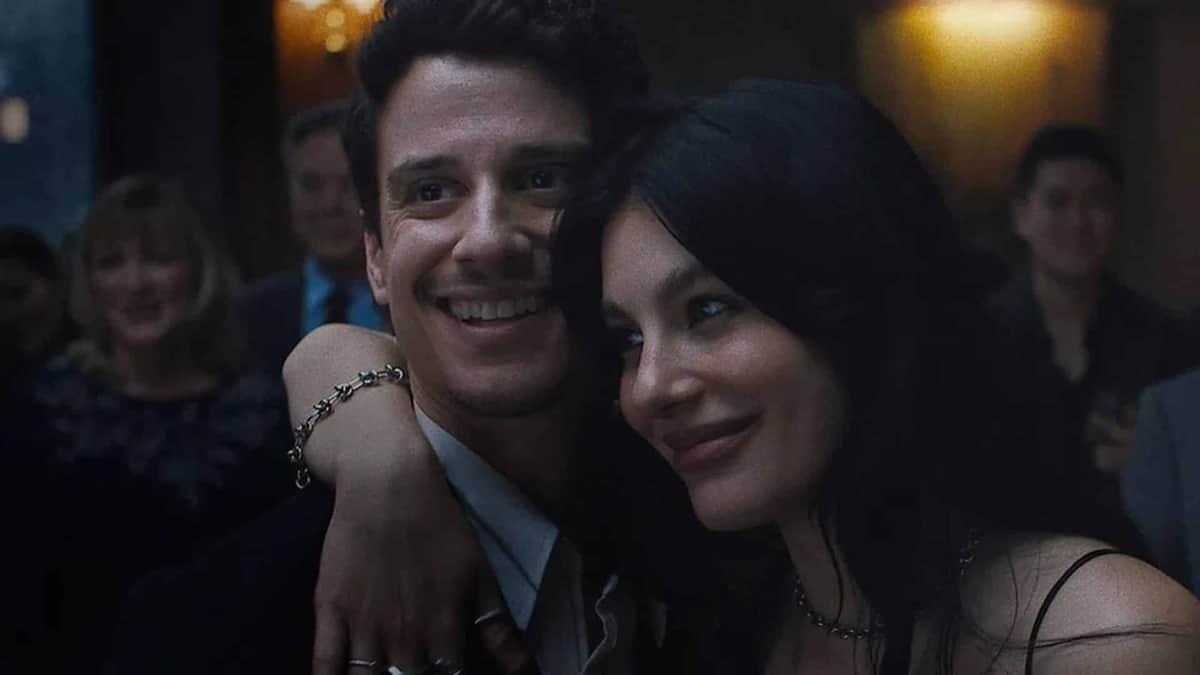
The protagonist and moral dilemma: The central character, played by Johnny Massaro, is a nuclear physicist who becomes key in identifying the problem. His journey is marked by internal conflicts that go beyond the simple race against time. There is interesting ambiguity in his motivations, which avoids constructing a traditional hero. This makes the character more human—and consequently more engaging.
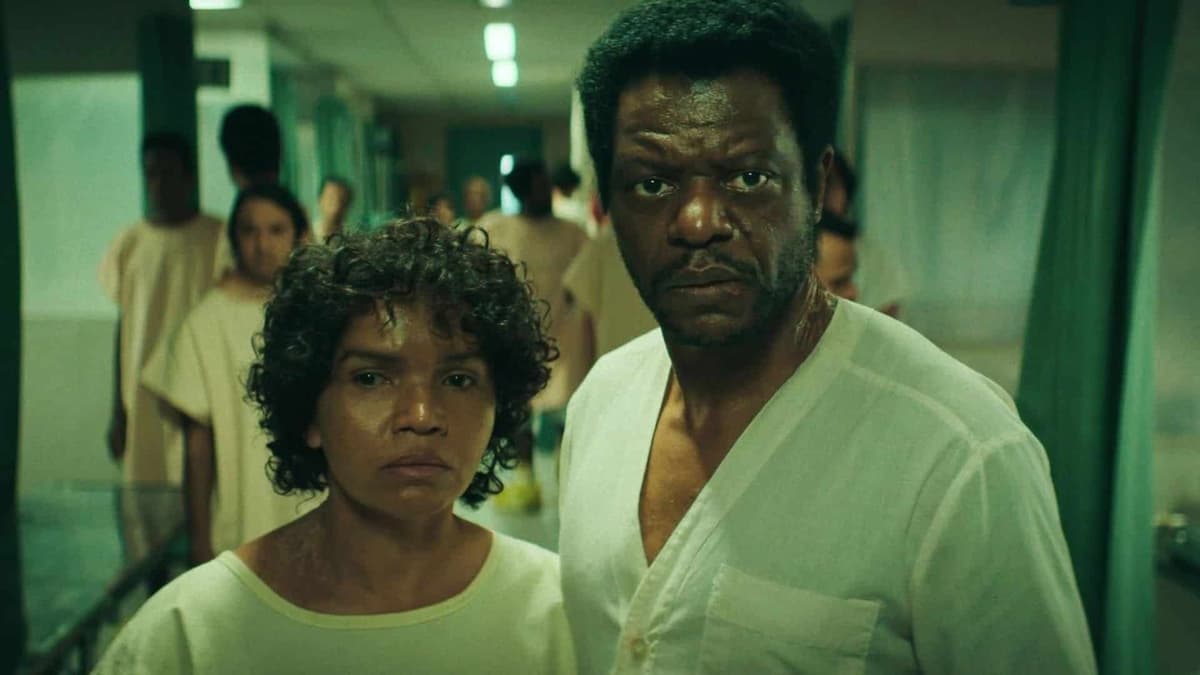
Cast highlights: The cast features names like Paulo Gorgulho, Tuca Andrada, and Bukassa Kabengele, who deliver solid and complementary performances. Special attention should be given to the interpretations representing the direct victims of radiation. These characters are fundamental to conveying the human impact of the tragedy.
Direction and audiovisual language
Realism and constant tension: The direction opts for a realistic style, with moderate use of soundtrack and focus on atmosphere construction. The sensation of discomfort is constant, even in the quietest scenes. This type of approach reinforces the documentary-like character of the work without becoming excessive.