A return that demands momentum
Recap and narrative complexity
Over four seasons, The Boys built a dense universe filled with complex characters, fragile alliances, and shocking plot twists. The fifth season takes up this scenario with a narrative that demands the viewer's doubled attention.
For those who have followed the series since the beginning, the first episodes function as a necessary update. For new viewers, the volume of information may seem overwhelming. The plot resumes crucial events, such as the abandonment of Flight 37 passengers — one of the most striking moments from the first season — and uses them as a catalyst for current conflicts.
A more mechanical beginning
Despite high expectations, the initial episodes present a more contained pace. There is a sense that the narrative is fulfilling mandatory steps before fully diving into the climax. Action scenes, though still impactful, do not immediately reach the level of creativity seen in previous seasons.
Still, characteristic elements remain present: graphic violence, scatological humor, and sharp dialogue. Characters like Kimiko and Frenchie offer moments of sensitivity, balancing brutality with emotional nuances.
Homelander: the portrait of absolute power
The rise of a tyrant
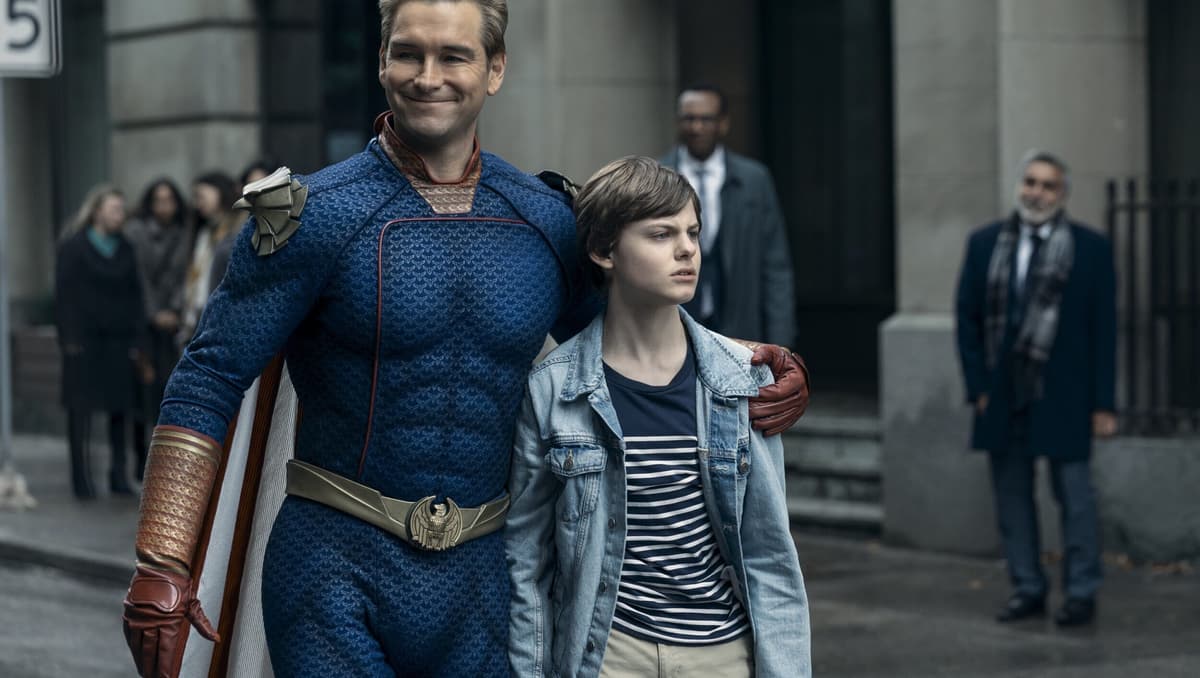
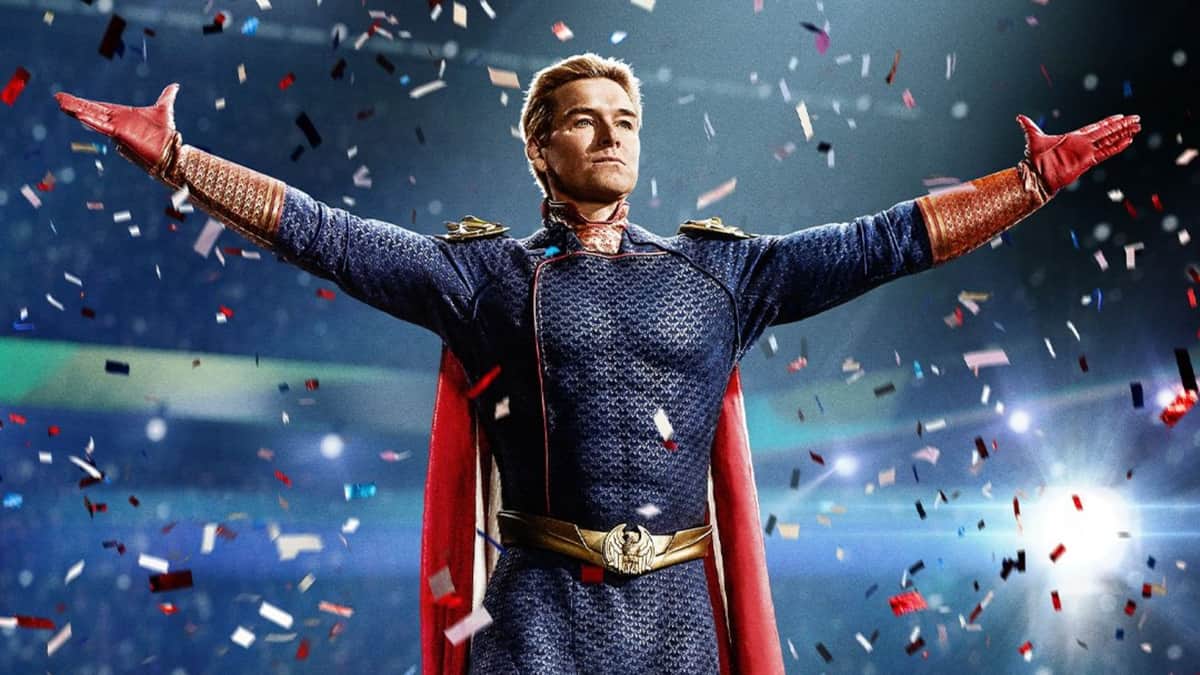
At the center of the narrative is Homelander, whose transformation throughout the series culminates in his position as a dominant figure in the United States. More than a villain, he represents a disturbing caricature of modern authoritarianism.
His obsession with public approval, evidenced by comments about memes and popularity, reveals an emotional fragility that contrasts with his nearly unlimited power. At the same time, his growing mental instability—suggested by hallucinations and delusions—adds a layer of unpredictability to the character.
Manipulation and control
The season explores how Homelander uses media and misinformation to consolidate his dominance. False narratives, accusations of digital manipulation, and the creation of political enemies reflect recognizable strategies in the real world.
This aspect reinforces the main strength of the series: its ability to transform elements of contemporary culture into cutting satire.
Billy Butcher and the resistance
An almost impossible mission
On the other side of the conflict is Billy Butcher, leading a fragmented group attempting to bring down Homelander. The mission involves rescuing captured team members and developing a virus capable of eliminating the supers.
The narrative emphasizes the physical and emotional exhaustion of the characters, who face not only external enemies but also their own moral limits.
Evolving relationships
The dynamic between group members continues to be one of the series' highlights. The relationship between Kimiko and Frenchie, for example, gains new dimensions, blending affection, trauma, and hope.
These moments offer respite amid chaos, reminding us that, despite everything, there are human connections at the heart of this brutal story.