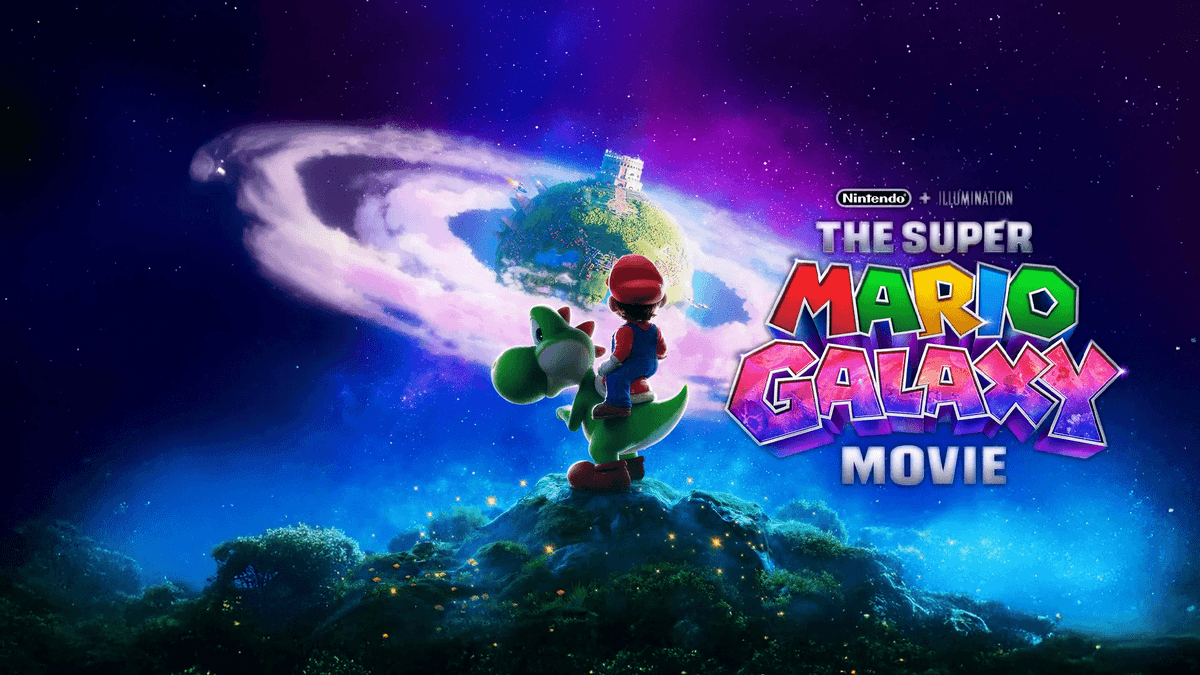
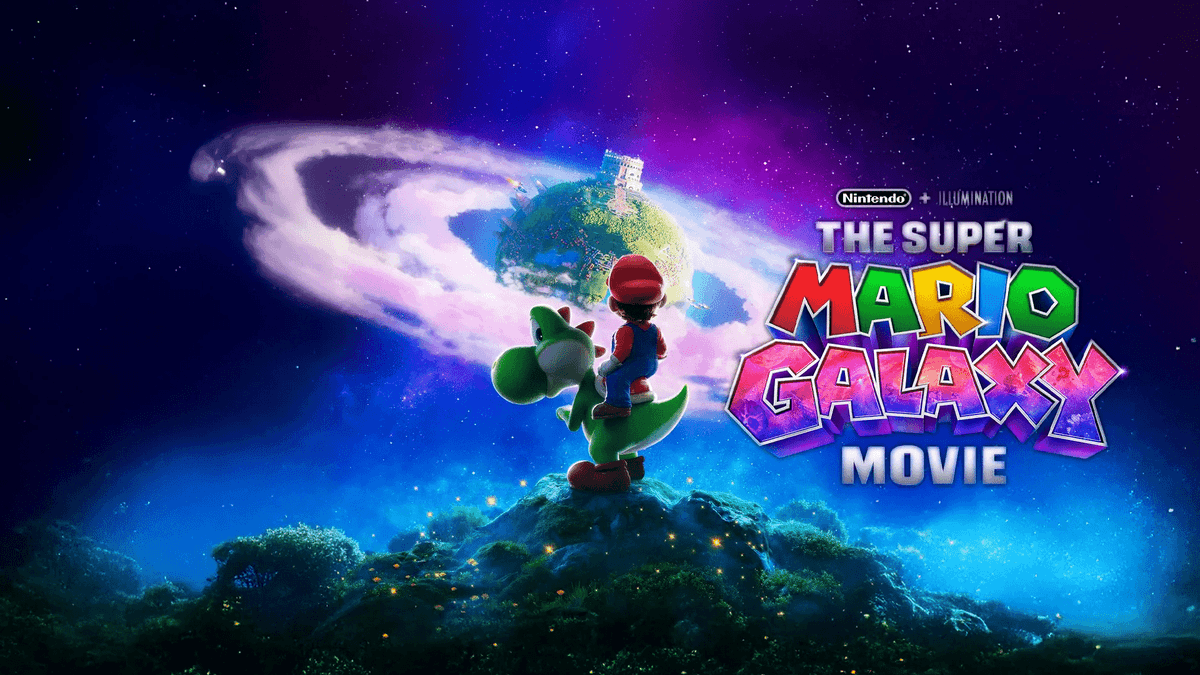
Directed by Aaron Horvath and Michael Jelenic, the project demonstrates the industry's growing care in treating video game intellectual properties with greater respect and ambition. The choice of a star-studded voice cast reinforces this strategy, betting on recognizable names to expand the production's reach.
This movement also highlights a consolidated trend in Hollywood: valuing voice acting as a central element in building animated characters, especially in productions aimed at the global market.
The Evolution of Video Game Adaptations in Cinema
For decades, video game adaptations struggled to win over critics and audiences, often failing to translate the interactive essence of games into cinema's narrative format. However, this scenario has begun to change in recent years, driven by technological advances, better-structured screenplays, and greater involvement from the original franchise creators. Nintendo, for example, has adopted a more strategic approach, closely overseeing its productions to ensure fidelity to the source material.
In this context, Super Mario Galaxy: The Movie emerges as part of a new generation of adaptations that seek not only to reproduce game elements but to expand them creatively. The space setting, directly inspired by titles like Super Mario Galaxy, allows for exploring new visual and narrative possibilities, offering a grander and more cinematic experience. At the same time, the film maintains the franchise's essence, balancing nostalgia and innovation in a proposal that appeals to different generations.
Chris Pratt as Mario: The Protagonist Gets a New Voice
The protagonist Mario is played by Chris Pratt, a choice that sparked debate since the cast announcement but reflects a clear market strategy. Known for his work in major franchises like Guardians of the Galaxy, Pratt brings a charismatic and accessible image, fundamental characteristics for bringing to life such an iconic and universal character.
Adapting Mario for cinema requires careful personality construction, as the character in games is known for limited communication and simple expressions. In this sense, Pratt's voice acting must fill narrative gaps, adding emotional and humorous nuances that help sustain the protagonist throughout the film. The challenge lies in balancing fidelity to the original character with the need to make him more complex and interesting for contemporary audiences.