In this article, you will understand why this film became a phenomenon, learn about the complete plot, cast, differences from the book, and discover where to watch it.
The Story of Just to Find You
The plot follows Xu Nian Nian, a young woman full of energy who needs to adapt to a new school. It is in this environment that she meets Yang Yi, a student with impulsive and apparently arrogant behavior.
The first contact between the two is marked by conflicts. They argue, compete, and experience typical adolescent situations — from classroom rivalries to sporting challenges. However, behind the teasing, something deeper emerges.
From Rivalry to Love
Over time, the antagonism gives way to sincere friendship. The two begin to share dreams, fears, and insecurities — something very common in school years.
This gradual development is one of the film's strengths: nothing happens in a forced way. Romance arises naturally, as it usually happens in real life.
The Impact of Adult Life
After graduation, reality knocks on the door. Family pressures, career choices, and responsibilities separate the couple.
This moment marks an emotional turn in the narrative, showing how time can be cruel to feelings that were not fully lived. Years later, an unexpected reunion reignites the film's central question: does first love really end or just fall asleep?
Notable Cast and Remarkable Performances
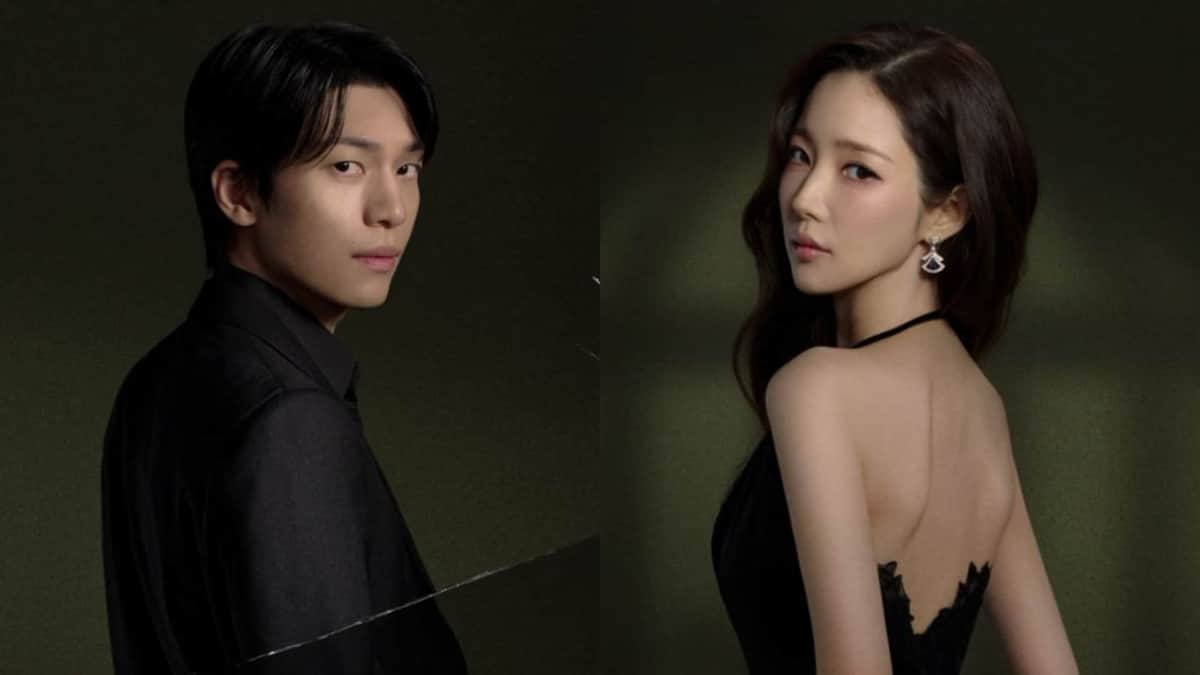
The film's success also comes from the talent of its cast, featuring Song Wei Long as Yang Yi and Liu Hao Cun as Xu Nian Nian, among others. Direction is by Liu Yulin, who chose a more realistic and intimate style.
Chemistry That Conquers
One of the most praised aspects is the chemistry between the protagonists. Unlike exaggerated romances, here feelings are expressed through looks, silences, and small gestures. This realism brings the viewer closer to the story, making everything more believable and emotional.
Why Just to Find You Went Viral Among Drama Fans
The growing interest in Asian productions in Brazil is no coincidence. Films like this stand out by offering something different from Western standards.
True Nostalgia — The film rescues universal experiences: first love, insecurity in adolescence, school friendships, and inevitable goodbyes, all presented with sensitivity that awakens immediate identification.
Narrative Without Exaggeration — While many dramas bet on intense tragedies, here emotion comes from simplicity, making the story lighter yet more impactful.
Striking Visual Aesthetics — The cinematography uses natural light, soft tones, and everyday settings, resulting in an almost poetic effect that reinforces the passage of time and character evolution.
Differences Between the Film and Original Book
The film is based on the work by writer Zhang Haochen, known for sensitive stories about youth. In the book, the story has a more melancholic tone and a less hopeful ending, while the film adaptation opted for a more optimistic conclusion.