In this article, we revisit five DC sequels that promised much but ultimately fell into obscurity — analyzing the reasons behind their failures and the impact they left on the industry.
Read more:
Something Horrible Will Happen: everything about the Netflix thriller with shocking ending
"Radioactive Emergency": the truth behind the character Celeste
The challenge of making a good superhero film sequel
The pressure of previous success
Creating a continuation is never a simple task. When the first film conquers the audience, expectations for the sequel grow exponentially. In the case of DC Comics adaptations, this pressure is even greater, since the characters carry decades of history and an extremely demanding fan base.
The trap of repetition
Many sequels fail by trying to repeat the original formula without bringing innovation. Others, in turn, err by straying too far from what worked previously.
The impact of studio decisions
Creative interference, directorial changes, and attempts to adapt the film to current trends frequently result in inconsistent products.
Supergirl: a forgotten continuation from the start
The connection to the Superman universe
Supergirl was conceived as an extension of the universe established by Superman films starring Christopher Reeve. Although the character is mentioned, the direct absence of the hero already weakens the connection with the audience.
Production and aesthetic problems
The film presents settings and effects that, even for the time, sound artificial. Argo City, for example, is frequently cited as one of the production's weakest points.
A wasted potential
Despite Helen Slater's dedicated performance, the film failed to establish itself as a relevant expansion of the cinematic universe.
Shazam! Fury of the Gods: when lightness becomes excess
The unexpected success of the first film
Shazam! surprised by balancing humor, action, and emotion, conquering audiences and critics alike.
A sequel without identity
In Shazam! Fury of the Gods, this balance is lost. The humor, once a differentiator, begins to dominate the narrative excessively.
Unmemorable villains
The antagonists known as the Daughters of Atlas fail to generate the same impact as previous threats, resulting in a conflict without dramatic weight.
Inconsistency in performances
While Asher Angel presents a more mature protagonist, Zachary Levi adopts a more childish tone, creating an evident disconnect.
Wonder Woman 1984: from acclaim to frustration
The impact of the first film
Wonder Woman was a watershed moment, establishing Wonder Woman as one of the most important figures in superhero cinema.
A problematic continuation
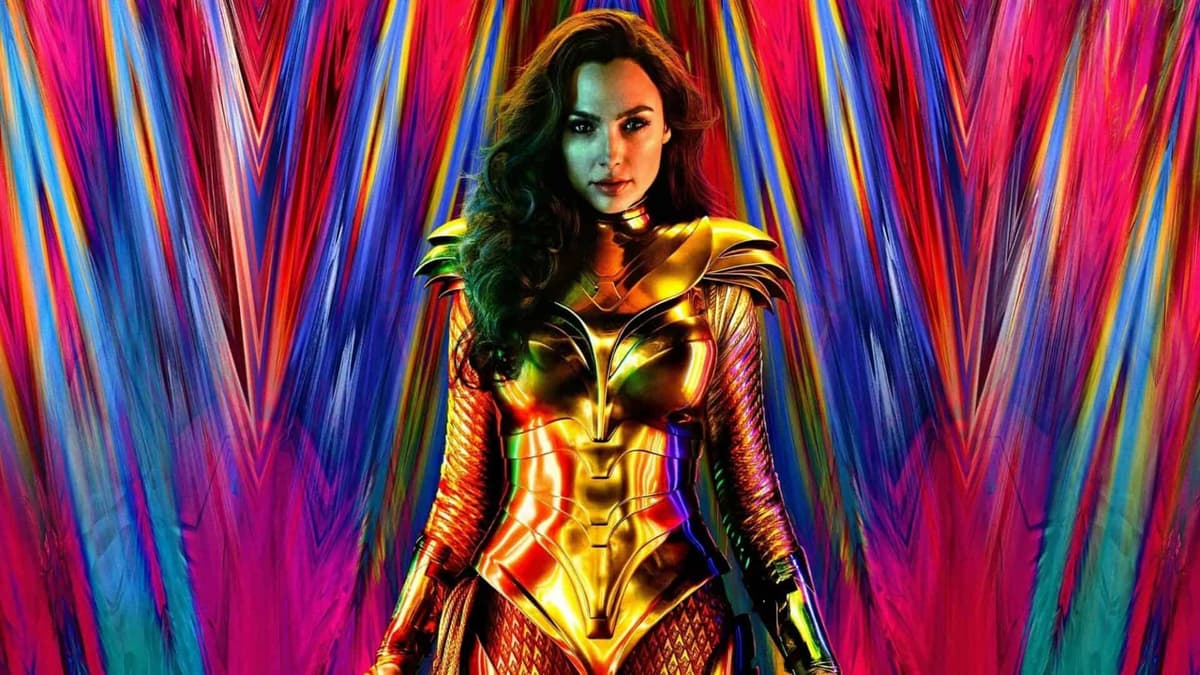
Wonder Woman 1984 arrived surrounded by expectations but faced criticism for its confused screenplay and irregular pacing.
Poorly developed villains
Pedro Pascal plays Maxwell Lord, while Kristen Wiig plays Barbara Minerva. Despite the potential, both characters lack consistent development.