
Pi (1998): A hypnotic and independent psychological thriller about numeric obsession

Released in 1998, Pi (also known as Pi: Faith in Chaos) is an independent cinema masterpiece directed by Darren Aronofsky, who later became famous for films like Black Swan and Requiem for a Dream.
The film is a dark and hypnotic psychological thriller that dives into the mind of a mathematician obsessed with discovering numeric patterns in a chaotic universe.
Below you can continue
reading the article
This obsessive quest leads him to become involved with corporations and religious cults, creating a tense and challenging plot.
The feature is an intriguing fusion of mathematics, philosophy, and paranoia, being a low-budget film that became a cult reference over the years.
Aronofsky, with his bold direction and unique visual style, transforms a story about numbers and theories into a cinematographic experience electrically charged with psychological tension.
With a raw and experimental aesthetic, Pi challenges audiences to question the nature of reality and the role of the human mind in attempting to understand the universe.
Read more:
Broad City: A comedy about the misadventures of two eccentric friends in New York
The Plot: Max Cohen's obsession
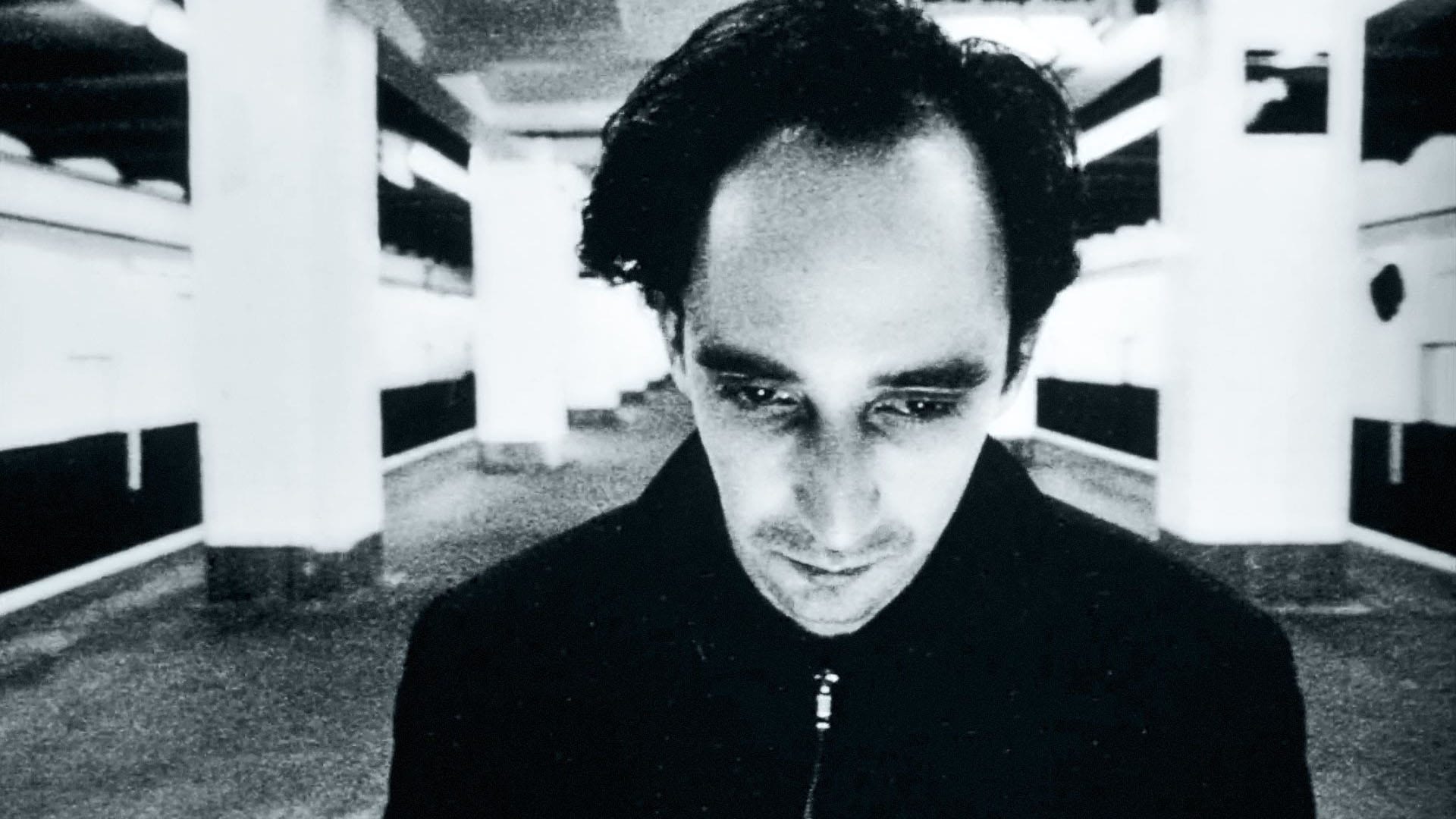
The plot of Pi follows Max Cohen (played by Sean Gullette), a reclusive mathematician obsessed with finding numeric patterns that govern the nature of the universe.
Max believes that everything in life — from the movements of planets to stock market fluctuations — can be explained by numbers. This understanding leads him on a relentless quest for a hidden pattern, something he believes is the key to understanding how the cosmos works.
Max spends his days isolated in his apartment, trying to decipher this pattern with the help of a computer he built to run complex calculations.
His obsession begins to damage his mental and physical health, as he suffers from intense headaches and is in a constant state of paranoia.
His search for answers puts him in conflict with two powerful entities: a financial corporation that wants to use his knowledge to predict the stock market, and a Kabbalistic religious cult that believes he holds the key to God's secret name.
As the plot advances, Max finds himself increasingly caught in a dangerous game between these forces, while his own sanity begins to crumble.
The film plays with themes such as obsessive pursuit of knowledge, the need to control chaos, and the consequences of trying to impose meaning on something inherently irrational.
The Character of Max Cohen: Obsession and self-destruction
Max Cohen, the protagonist of Pi, is a complex character with psychological depth that evokes empathy, despite his disturbing nature.
Throughout the film, he transforms from a determined and logical man into someone consumed by an insane quest. His obsession with finding a numeric pattern isolates him from everything and everyone, including the few friends and allies he still has.
Max's character symbolizes the human struggle against chaos and the need to rationalize the world around us. His search for answers is a desperate attempt to control what is uncontrollable, to bring order to the universe through mathematical patterns.
However, as Max approaches his answers, he loses control over his own mind and body, suggesting that the pursuit of the absolute can indeed be a form of self-destruction.
Sean Gullette's performance as Max Cohen is impressive. He manages to capture the growing psychological tension and paranoia of a man on the brink of collapse. The character's vulnerability is palpable, and the actor delivers a performance that is both disturbing and fascinating.
Darren Aronofsky's Direction
Darren Aronofsky, the director of Pi, already demonstrated in his directorial debut an audacious artistic vision.
He creates a unique atmosphere in the film, using a raw and experimental aesthetic to reflect Max's mental state. The choice to film in black and white adds a sense of distortion to reality and reinforces the dark tone of the plot.
Aronofsky also uses innovative visual techniques, such as spiral imagery and quick cuts, to create a sense of disorientation, symbolizing Max's growing loss of control.
Aronofsky's direction in Pi is meticulous and full of symbolism. The use of minimalist resources, such as sound design and visual effects, helps intensify the atmosphere of paranoia and despair.
The scenes of Max navigating his computer and his mathematical experiments are filmed in a frenetic manner, conveying the character's growing obsession.
This bold visual approach became a distinctive characteristic of Aronofsky's work, influencing his subsequent career.
Mathematics and Philosophy: The Pattern of the Universe
In Pi, mathematics is not merely a field of study, but a central metaphor for the human search for meaning and order. Max believes there is an underlying numeric pattern in everything, a secret code that can explain the nature of the universe and, ultimately, the fate of humanity itself.
This obsession with numbers and patterns reflects a broader existential philosophy, questioning the randomness of the universe and humanity's ability to understand and control reality.
Throughout the film, Max encounters several references to Kabbalah, the Jewish mystical tradition, which suggests that the universe is governed by a divine code.
The film explores how mathematics and spirituality intertwine, with the religious cult trying to exploit Max's knowledge to achieve spiritual revelation, and the financial corporation seeking to use his talent for mathematical stock market predictions.
The film's philosophy revolves around the idea that the pursuit of patterns is both an obsession and an attempt to escape chaos and uncertainty.
However, the film suggests that by trying to force order upon chaos, Max and his pursuers are only creating more confusion. This is reflected in the film's narrative structure, which becomes increasingly dissonant and surreal as it approaches its conclusion.
Sound and Soundtrack
The soundtrack of Pi is another fundamental aspect of constructing the film's disturbing atmosphere. Composed by Clint Mansell, the music is hypnotic and minimalist, using a combination of electronic and orchestral sounds that create a sense of discomfort and tension.
The music is immersive, reflecting Max's emotions and psychosis, and becomes a character in its own right in the film. It pulses like a clock, reflecting Max's constant obsession with time and numbers.
The way sound is used in Pi is also remarkable. There's a sense of isolation in moments when Max is immersed in his calculations and theories, with ambient sound muffled and distorted.
In other parts of the film, especially in the most intense scenes, the sound becomes more invasive and chaotic, reflecting the protagonist's growing loss of control.
The Cultural Impact of Pi
Despite being a low-budget film, Pi had a major impact on independent cinema and helped launch Darren Aronofsky's career.
The film was widely praised for its aesthetic boldness and philosophical content, and became a cult classic, revered by cinephiles and film scholars. Its influence can be seen in many other films that explore themes of obsession, madness, and the search for patterns in chaos.
Pi also opened doors for Aronofsky, who would later direct other successes like Requiem for a Dream and Black Swan. Aronofsky's unique style, which blends psychology with philosophy and visual aesthetics, became a reference point for many contemporary filmmakers.
Conclusion
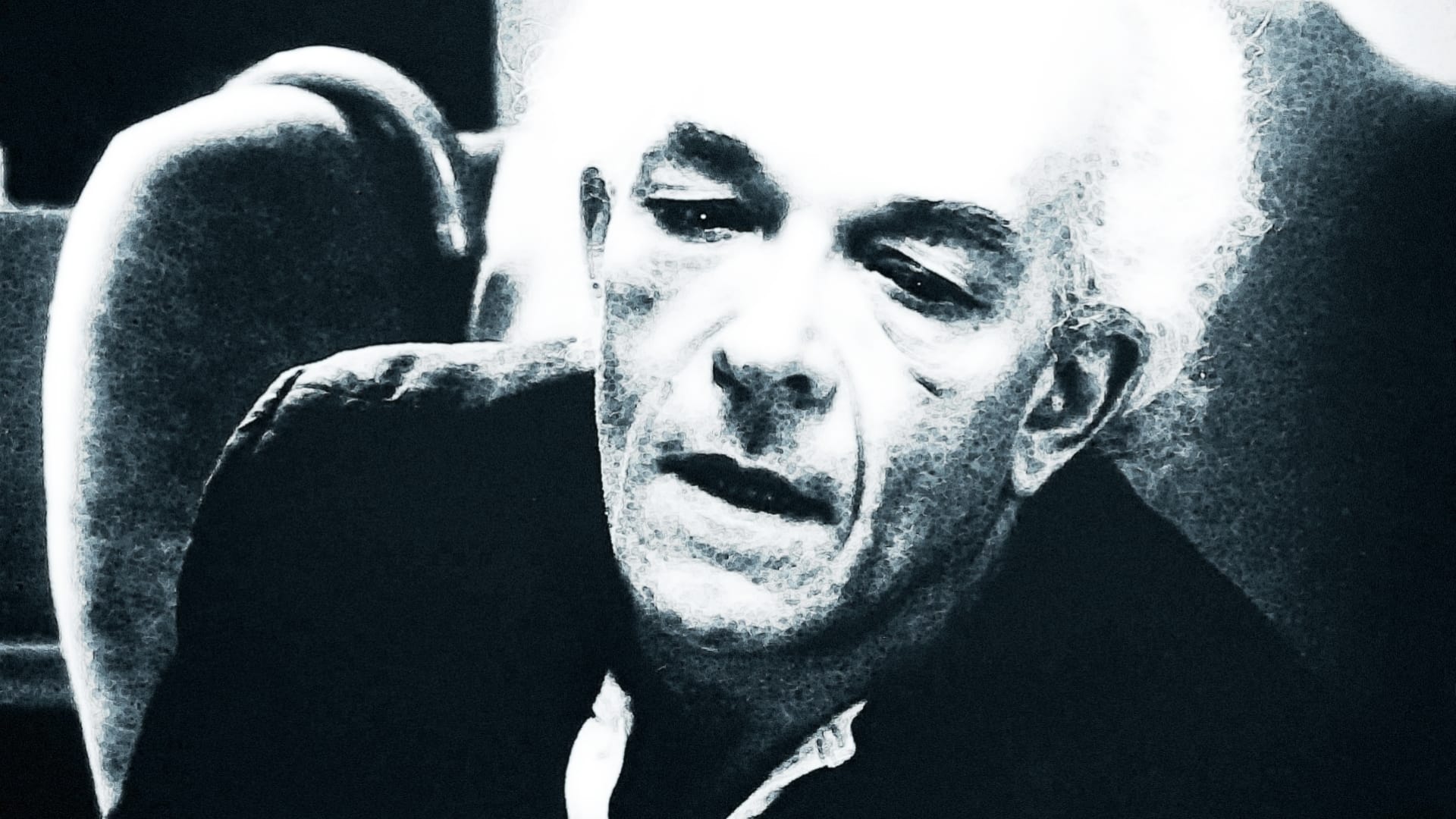
Pi (1998) is a gripping psychological thriller that plunges into the depths of the human mind, exploring themes of obsession, mathematics, and spirituality.
With its innovative direction, compelling performance, and intriguing plot, the film is an anguishing and fascinating journey through a mind in tatters.
Max Cohen's quest for patterns in the universe becomes a metaphor for humanity's own search for meaning in an unpredictable and chaotic world.
If you haven't watched it yet, Pi is a unique and challenging cinematographic experience that continues to be a masterpiece of independent cinema and an example of Darren Aronofsky's talent in exploring the darkest aspects of the human psyche.
Watch the trailer for "Pi"
In Brazil, "Pi" is available on YouTube Movies.


