The Legacy of a Modern Classic
Released in 2006, The Devil Wears Prada quickly transcended its status as a simple dramatic comedy to become a landmark of pop culture.
A Scathing Portrait of the Fashion World
Inspired by Lauren Weisberger's book, the film delves into the behind-the-scenes of a fictional fashion magazine, exposing power dynamics and extreme pressure in the editorial industry.
The Strength of Miranda Priestly
Played by Meryl Streep, Miranda Priestly established herself as one of the most iconic characters in contemporary cinema. Her cold, demanding, and sophisticated demeanor redefined the archetype of the "ruthless boss."
Cultural Impact and Lasting Influence
Over the years, the film influenced trends, popularized phrases, and consolidated names as global references.
Fashion as Narrative Language
The costumes signed by Patricia Field played a fundamental role in building the film's visual identity.
Cast Rise
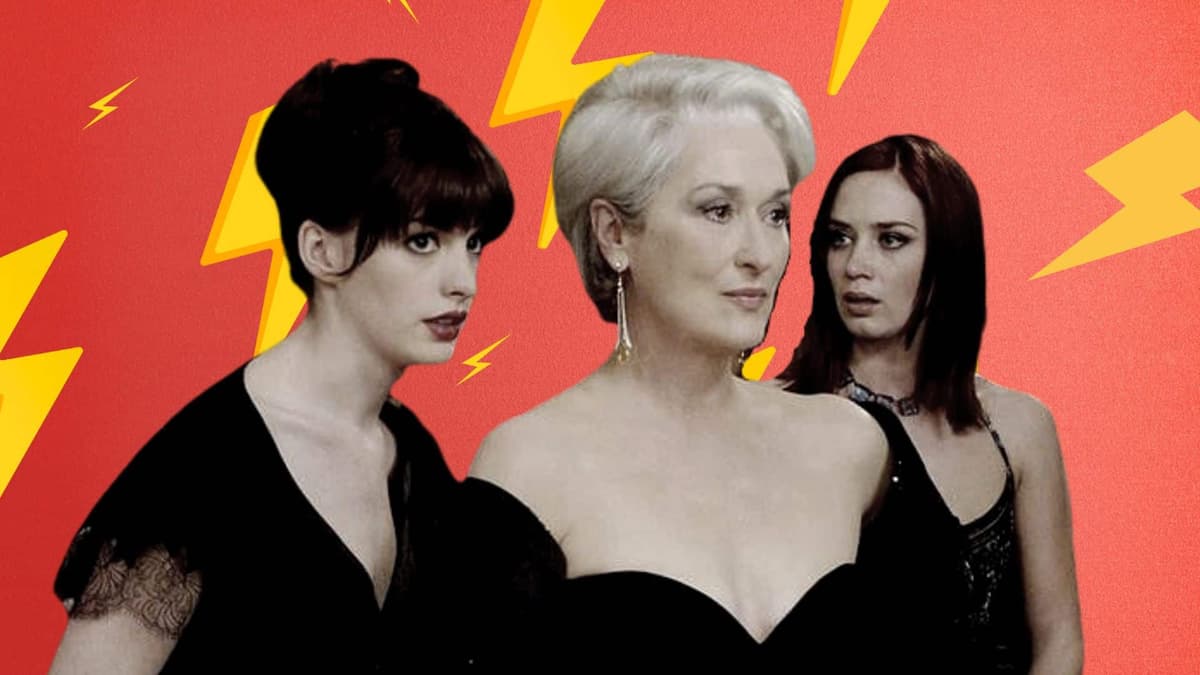
Beyond Streep, the film boosted the careers of Anne Hathaway and Emily Blunt, who now occupy prominent positions in Hollywood.
What to Expect from The Devil Wears Prada 2
The sequel emerges in a very different scenario from that of 2006. The fashion world has changed, as has media consumption and work relationships.
Return of the Original Cast
One of the production's greatest assets is the return of the main trio: Meryl Streep, now even more established as one of the greatest actresses in history, whose presence adds weight and prestige to the project; Anne Hathaway, who has evolved from promising young talent to acclaimed star, returning with much more robust artistic baggage; and Emily Blunt, known for her versatility, bringing maturity that can enrich the dynamics between characters.
Creative Continuity Behind the Scenes
Direction remains in the hands of David Frankel, responsible for the first film. Frankel knows the tone and rhythm of the narrative deeply, which can ensure aesthetic and emotional continuity. The return of costume designer Molly Rogers reinforces the commitment to visual excellence, an essential element for the franchise's universe.
The Evolution of the Fashion Industry as Backdrop
While the first film explored the heyday of print magazines, the sequel will have the opportunity to address a completely transformed scenario. The digital era has redefined the concept of influence, with digital figures now competing directly with traditional magazines, altering power dynamics and accelerating the cycle of trends.
New Debates in the Sector
The fashion industry has also begun addressing broader issues, including sustainability and pressure for ethical and ecological practices.