
The Sweet Hereafter (1997): A Sensitive Canadian Drama About Grief, Loss, and Emotional Reconstruction

Released in 1997 and acclaimed worldwide, The Sweet Hereafter (1997) is one of the most remarkable films in Canadian cinema.
Directed by Atom Egoyan, the film is an adaptation of the eponymous novel by Russell Banks and delves into the devastating consequences of a school bus accident that shakes a small rural town.
Below you can continue
reading the article
More than a film about the tragedy itself, The Sweet Hereafter (1997) is a meditation on collective grief, silent pain, guilt, and the invisible bonds that unite and separate people in the face of suffering.
It's a work with a calm pace, but intense emotional depth, that transforms silence and snowy landscape into living characters.
Read more:
Interstellar (2014): Christopher Nolan's epic science fiction about humanity's survival
The Plot of The Sweet Hereafter (1997)
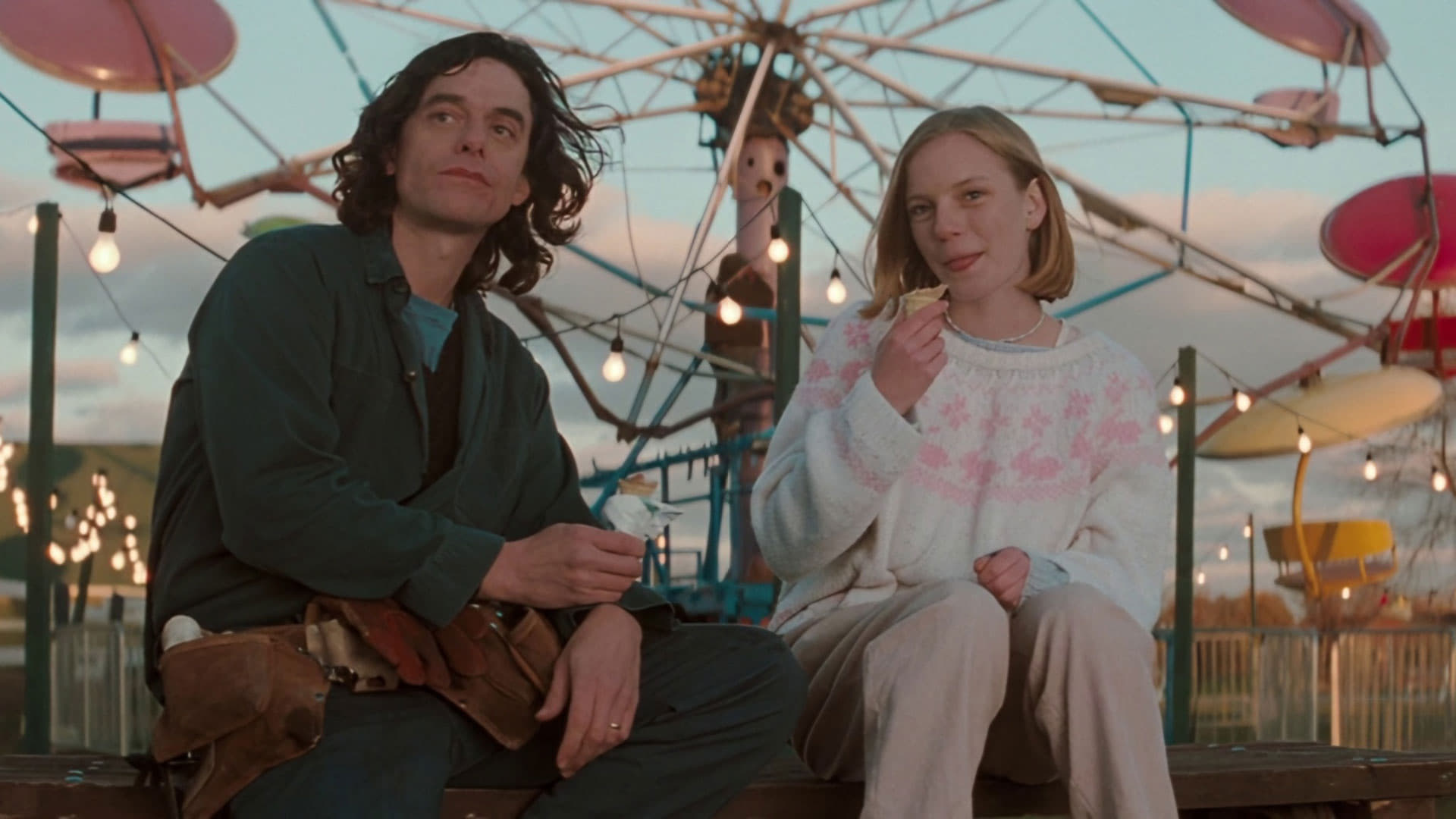
The starting point of The Sweet Hereafter (1997) is a bus accident that claims the lives of 14 children in a rural community.
After the tragedy, a lawyer named Mitchell Stephens (played by Ian Holm) arrives in town intending to represent grieving parents in a lawsuit against those potentially responsible.
However, his presence awakens contradictory feelings. For some, he represents justice and accountability. For others, he is an opportunistic intruder in a time of pain.
As he grows closer to the families, we discover not only the traumas caused by the tragedy, but also the personal secrets and earlier wounds each person carries.
One of the central characters is Nicole Burnell (Sarah Polley), one of the few accident survivors, now paralyzed and emotionally distant. Her decision at the end of the film shapes everyone's fate — and questions the search for culprits.
Atom Egoyan's Direction: Subtlety, Silence, and Depth
Atom Egoyan is known for his sensitive and introspective style, and in The Sweet Hereafter (1997) he achieves one of his most inspired moments.
The narrative is not linear: time bends and unfolds, with flashbacks interspersed with present and future scenes, creating an atmosphere of memory and contemplation.
Egoyan avoids melodrama. Instead of big crying scenes or explosive confrontations, he relies on meaningful silences, small gestures, truncated conversations.
Each image is loaded with subtext, and each character seems to live not only the grief of the present, but also hurts from the past that emerge with the tragedy.
The setting of the snow-covered town reinforces feelings of stagnation, coldness, and absence. The cinematography, signed by Paul Sarossy, perfectly captures this desolate emotional landscape.
Music as an Emotional Element
The soundtrack of The Sweet Hereafter (1997), composed by Mychael Danna, is discreet, melancholic, and deeply moving. The use of chamber instruments, such as soft strings and piano, reinforces the introspective tone of the narrative.
A special highlight is the inclusion of excerpts inspired by the tale of The Pied Piper of Hamelin, which appears symbolically in the plot. The fable is used to reinforce the idea of loss, corrupted innocence, and the presence of an external agent that changes the destiny of an entire community.
Performances: Sarah Polley and Ian Holm Stand Out
Ian Holm, a veteran of British cinema, delivers one of the subtlest performances of his career as Mitchell Stephens. His character, marked by a painful family past, functions as a catalyst for the town's drama, but also carries his own demons.
Sarah Polley, who was only 18 at the time, impresses in the role of Nicole. Her restrained yet extremely expressive performance conveys with precision the pain, resentment, and psychological complexity of someone carrying an immeasurable weight — not just physical, but also ethical.
The supporting cast, composed of Bruce Greenwood, Tom McCamus, and Gabrielle Rose, also contributes to the film's emotional density, creating real, fragile, and human characters.
Grief, Guilt, and Silence: Central Themes of the Film
The Sweet Hereafter (1997) is, above all, a film about collective grief. Unlike other dramas about tragedies, the film avoids spectacularizing suffering. Instead, it focuses on how trauma slowly infiltrates routine, relationships, and language — or the lack of it.
The question of guilt permeates the entire story. Who is responsible for the accident? Is it possible to blame someone? Or is tragedy just the fruit of cruel chance? The film offers no simple answers, and this ambiguity is what makes it so powerful.
Silence is also a central element. Characters who cannot speak about what they feel, families who don't know how to reconnect, and a community that, in the face of suffering, prefers to avoid emotional confrontation.
Impact and Reception of The Sweet Hereafter (1997)
The Sweet Hereafter (1997) was widely praised by critics and won the Grand Prize of the Jury at the Cannes Film Festival. The film also received two Oscar nominations: Best Director (Atom Egoyan) and Best Adapted Screenplay.
More than awards, the film gained lasting prestige for its sincere and sensitive portrait of pain. It is considered one of the best Canadian films of all time, being used in film schools as an example of non-linear narrative and character development.
The Symbolic Strength of the Title
The title The Sweet Hereafter (1997) suggests hope, but also irony. Amid so much suffering, is there a tomorrow? And, if there is, can it be sweet? The film doesn't answer directly, but it makes us reflect on the possibility of reconstruction after destruction.
In the end, life goes on, even if mutilated. Tomorrow comes — perhaps not sweet, but inevitable.
Why Watch The Sweet Hereafter (1997) Today?
In times of collective crises, public tragedies, and shared pain, The Sweet Hereafter (1997) remains current. It invites us to look at suffering with empathy, to understand that each person deals with loss in their own way, and that there isn't always a clear villain or a fair solution.
Watching this film is also an exercise in listening — to the pain of others, to silence, to time that doesn't heal everything, but teaches us to live with scars.
Conclusion
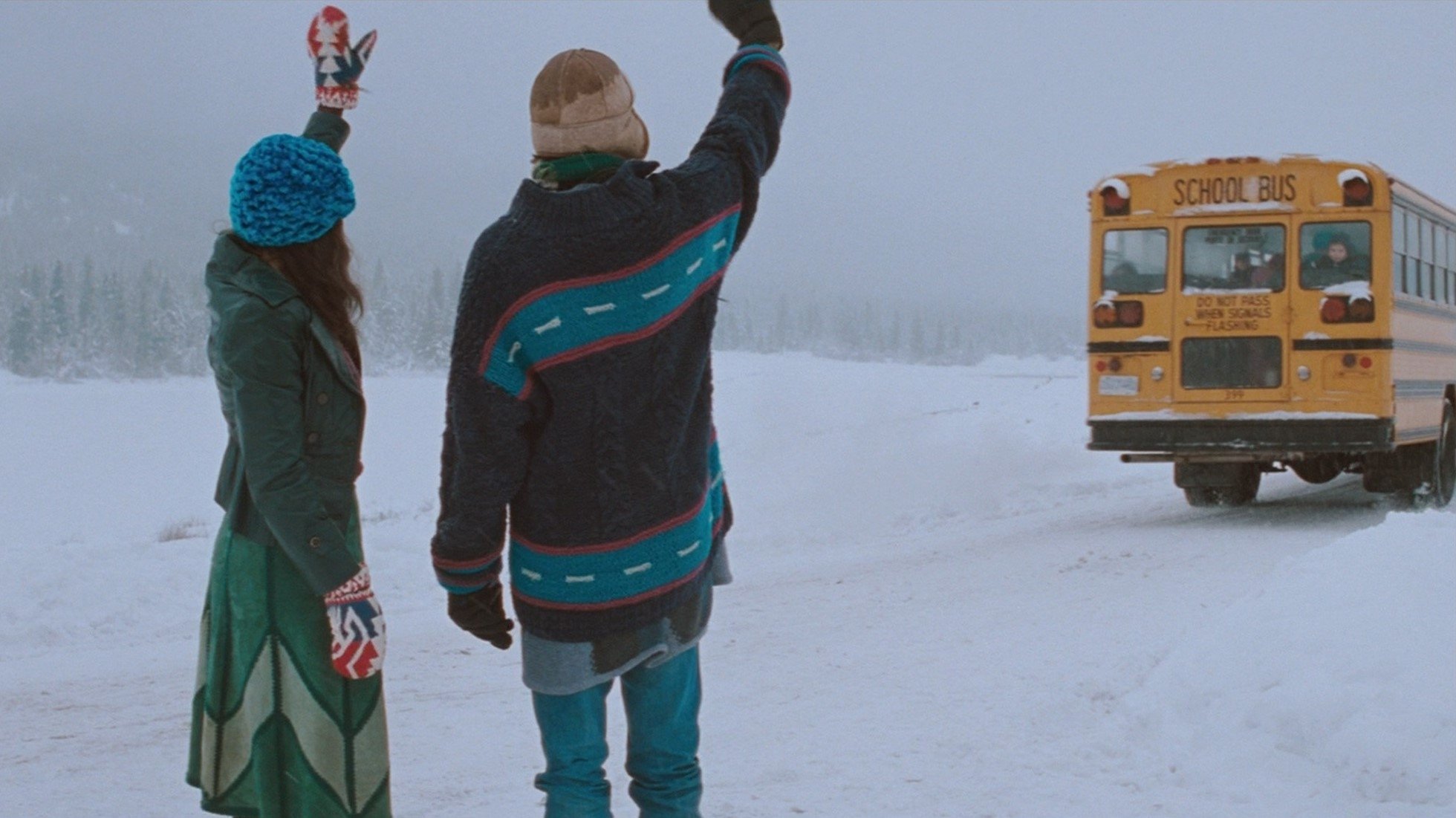
The Sweet Hereafter (1997) is a gem of Canadian cinema — a film about tragedy, but also about humanity.
Atom Egoyan builds a delicate and profound narrative that touches on universal themes with rare sensitivity. His approach to grief, memory, and emotional reconstruction makes it an unforgettable cinematic experience.
If you're looking for a powerful drama with striking performances and a carefully constructed aesthetic, The Sweet Hereafter (1997) is a sure choice — and a necessary one.
Watch the Trailer for "The Sweet Hereafter"
In Brazil, "The Sweet Hereafter" is not available for streaming. However, you can find the film on Belas Artes A La Carte.


