An adaptation that promises to redefine psychological horror
The original work, When Darkness Loves Us, published in the mid-1980s, is considered a cult work within psychological horror literature. Unlike stories focused on easy scares or supernatural creatures, Engstrom's narrative relies on extreme isolation and mental deterioration as engines of fear.
In adapting this material to cinema, director James Ashcroft takes on the challenge of transforming an introspective story into an impactful visual experience. Known for his work in The Rule of Jenny Pen, Ashcroft has already demonstrated skill in building dense and disturbing atmospheres.
An intense and disturbing premise
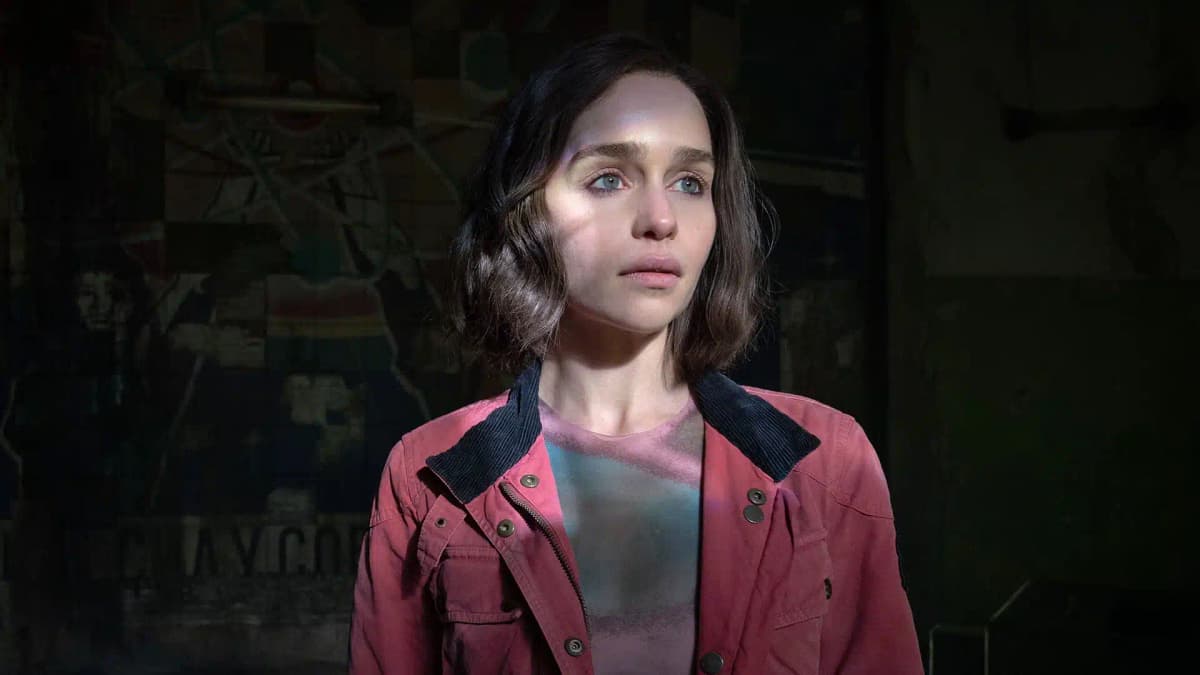
The plot follows a young pregnant farmer who, after an accident, becomes trapped in a system of underground caves. Isolated from society and deprived of natural light, she is forced to survive for 15 years under extreme conditions.
When she finally returns to the surface, the protagonist finds no relief, but rather a new type of battle: reclaiming her identity and her place in the world, even if it entails morally devastating consequences.
This narrative arc allows for exploration of themes such as trauma, resilience, survival instinct, and the thin line between humanity and monstrosity.
Emilia Clarke and the reinvention of her career
Following the conclusion of Game of Thrones, Emilia Clarke sought to diversify her career, avoiding being associated exclusively with the fantasy genre. Although she participated in productions such as Above Suspicion, it was with romantic comedies and lighter projects that the actress consolidated this transition.
Films like Last Christmas and The Pod Generation showed a more relaxed facet of the actress, while work in animation, such as The Amazing Maurice, further expanded her reach.
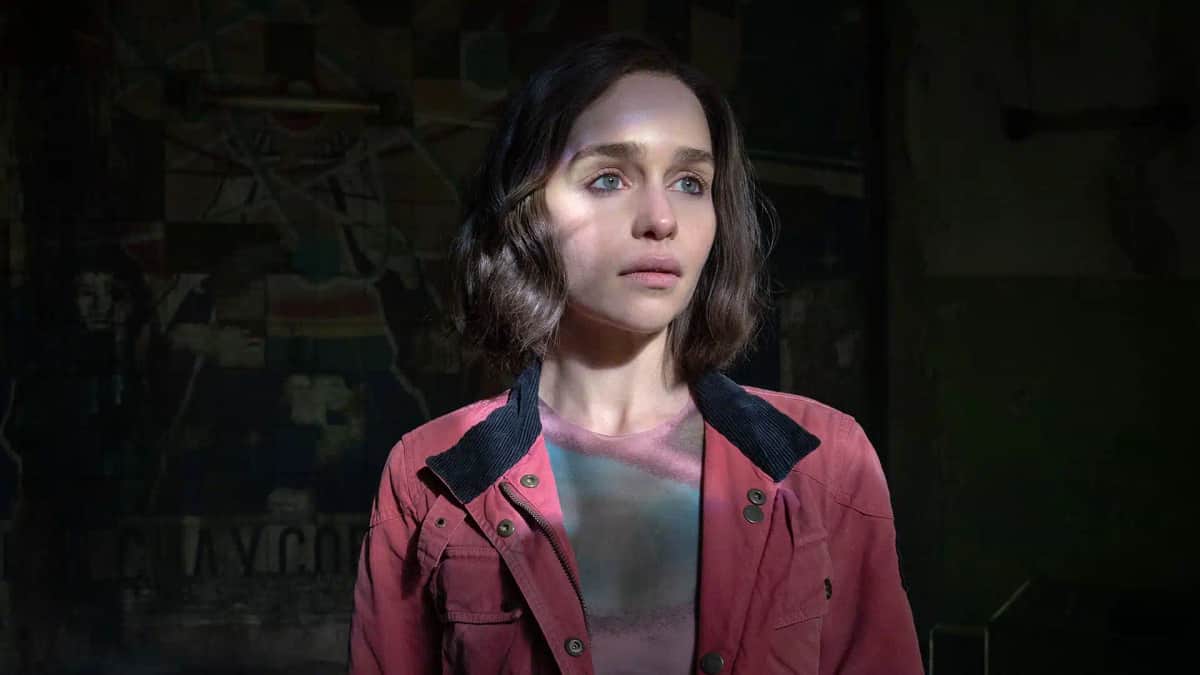
Now, with When Darkness Loves Us, Clarke returns to an emotionally intense territory, but from a completely different perspective than the one that made her famous.
Building a complex protagonist
The role demands a deeply physical and emotional performance. The character undergoes radical transformations throughout the story, facing isolation, loss, and adaptation to a hostile environment.
This journey offers the actress the opportunity to explore complex psychological nuances, consolidating her versatility and artistic maturity.
Production and behind-the-scenes: an ambitious bet
Filming took place in New Zealand, known for its impressive natural landscapes and for serving as the setting for large-scale productions.
However, unlike films that explore open scenery, When Darkness Loves Us uses the underground environment as a central element, creating a claustrophobic and oppressive atmosphere.