With this comes an inevitable comparison: how do the new actors compare to the iconic faces that marked a generation? The answer goes beyond appearance or acting, but also involves the cultural and narrative context of each version.
In this article, we analyze in depth the main differences between the series and film characters, exploring performances, casting choices, fidelity to the original material, and the cultural impact of this new adaptation.
The Return of a Cultural Phenomenon
Few franchises in entertainment history have achieved the impact of Harry Potter. Since the publication of the first book, the saga became a literary and cinematic landmark, crossing generations and consolidating an extremely loyal fan base.
This phenomenon is not limited to entertainment. Harry Potter influenced how fantasy stories are consumed and produced, opening doors to new adaptations and expanded universes.
The Importance of the 2001 Film
The film Harry Potter and the Philosopher's Stone was responsible for introducing millions of viewers to the magical world. With a carefully chosen cast, the film established the definitive image of characters that remain alive in popular imagination to this day.
Additionally, the film helped consolidate the visual standard of Hogwarts, clothing, and even magical creatures, creating a reference difficult to ignore.
A Legacy Difficult to Overcome
Names like Daniel Radcliffe, Emma Watson, and Rupert Grint became inseparable from their characters. This creates a considerable challenge for any new adaptation.
More than actors, they became symbols of a specific era of cinema, which makes any comparison inevitable and often emotional.
The Series Proposal
The new version seeks to differentiate itself by adapting each book in a complete season, allowing for greater narrative development. This decision already indicates a significant change in how the story will be told.
With more time available, screenwriters can explore nuances that were previously left aside due to time constraints.
More Time to Explore Details
Unlike the films, the series will have space to deepen subplots, develop secondary characters, and expand the magical universe more organically.
This includes everything from classes at Hogwarts to more complex interpersonal relationships, offering a more immersive experience for the audience.
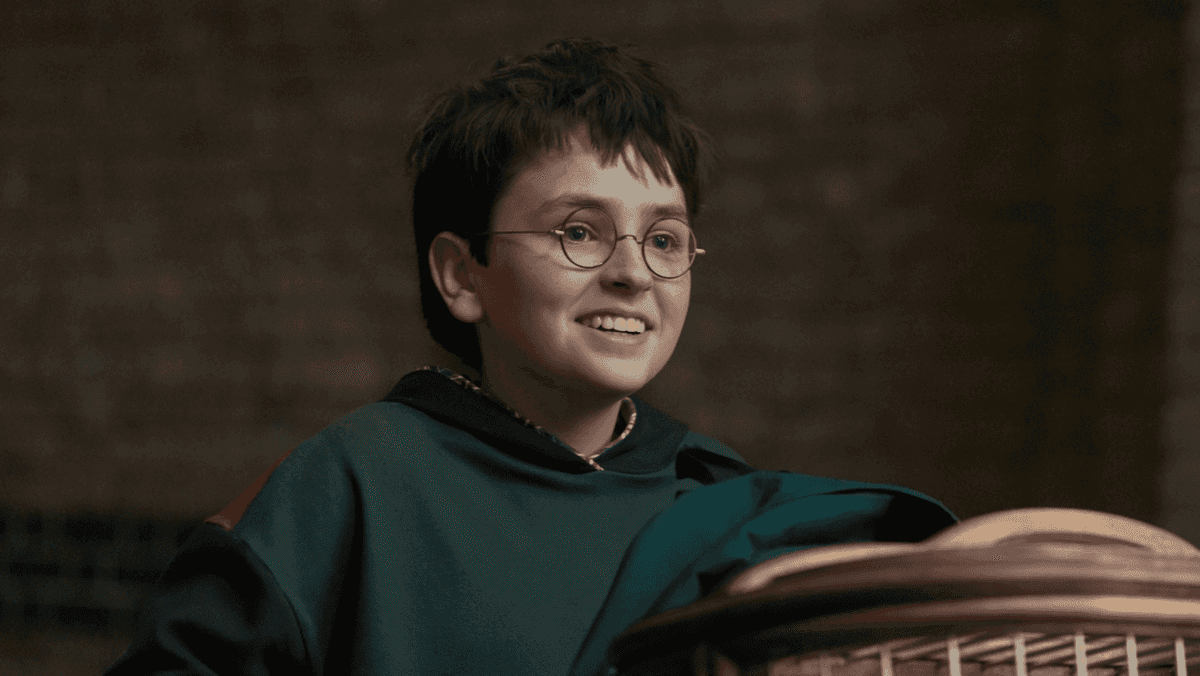
Harry Potter: Daniel Radcliffe x Dominic McLaughlin
The protagonist is undoubtedly the central point of any comparison, being the most recognizable face of the franchise.
The way Harry is interpreted directly influences the tone of the entire narrative, making this choice one of the most important in the production.
Daniel Radcliffe's Classic Version
Daniel Radcliffe brought a vulnerable, curious, and courageous Harry. His interpretation evolved throughout the films, accompanying the character's growth.
His performance helped create an immediate connection with the audience, especially by conveying authenticity.