
It's not a cartoon! It's anime! Understand the differences

Understand the most appropriate term to define this form of animation
Below you can continue
reading the article
A favorite among the otaku community, anime is more than just entertainment—it's a source of inspiration for numerous enthusiasts of Japanese culture. From them, fanzines, cosplays, and even events are created to celebrate this super kawaii tribe of modern times.
And then comes that friend who calls it a cartoon...
Easy there, honorable reader, we'll explain the difference to you now.
[caption id="attachment_15198" align="aligncenter" width="549"]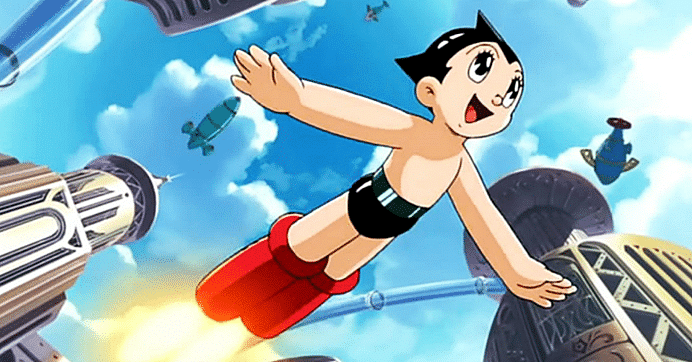 Astro Boy was one of the first to become popular as an original anime, in 1962.[/caption]
Anime is the term that refers exclusively to animations produced in studios in Japan. One of its characteristics that sets it apart from other animations is its art style based on traditional manga: large, bright eyes that convey emotion in the characters, and the vibrant colors typical of this style.
Most anime is based on its previous manga version, which are periodicals that tell their stories through comics. Studios like Gainax and Toei Animation are some of the most popular.
Unlike animations, anime are productions uniquely created in Japan. When the style is the same or similar and the production was developed in another nation, the term applied is "anime-influenced animation," as is the case with the French Totally Spies.
[caption id="attachment_15199" align="aligncenter" width="500"]
Astro Boy was one of the first to become popular as an original anime, in 1962.[/caption]
Anime is the term that refers exclusively to animations produced in studios in Japan. One of its characteristics that sets it apart from other animations is its art style based on traditional manga: large, bright eyes that convey emotion in the characters, and the vibrant colors typical of this style.
Most anime is based on its previous manga version, which are periodicals that tell their stories through comics. Studios like Gainax and Toei Animation are some of the most popular.
Unlike animations, anime are productions uniquely created in Japan. When the style is the same or similar and the production was developed in another nation, the term applied is "anime-influenced animation," as is the case with the French Totally Spies.
[caption id="attachment_15199" align="aligncenter" width="500"]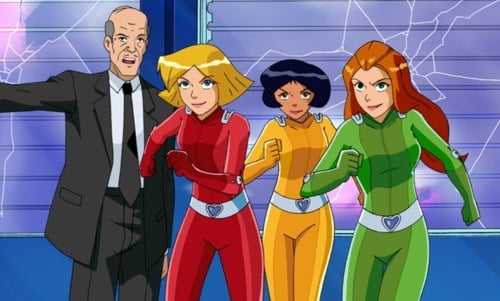 Totally Spies is a French animation influenced by anime.[/caption]
Anime is not a genre, it's an animation style, which can dramatize horror, romance, comedy, and so on.
Totally Spies is a French animation influenced by anime.[/caption]
Anime is not a genre, it's an animation style, which can dramatize horror, romance, comedy, and so on.
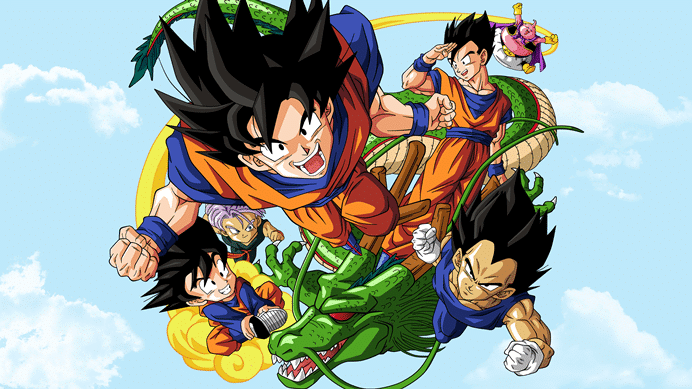 Dragon Ball Z, by Akira Toriyama. Produced by Toei Animation.[/caption]
In the mid-70s, the term to designate a Japanese animation was japanimation. The origin of the term anime is still uncertain, although there is evidence that the nomenclature comes from the English word animation verbalized in Japanese in its abbreviated form, anime.
Dragon Ball Z, by Akira Toriyama. Produced by Toei Animation.[/caption]
In the mid-70s, the term to designate a Japanese animation was japanimation. The origin of the term anime is still uncertain, although there is evidence that the nomenclature comes from the English word animation verbalized in Japanese in its abbreviated form, anime.
 Spirited Away, by Hayao Miyazaki.[/caption]
However, now you know the importance and meaning of this term, how it differs from traditional animations, and why it's such a favorite among the otaku community.
Until next time!
Spirited Away, by Hayao Miyazaki.[/caption]
However, now you know the importance and meaning of this term, how it differs from traditional animations, and why it's such a favorite among the otaku community.
Until next time!
Astro Boy was one of the first to become popular as an original anime, in 1962.[/caption]
Anime is the term that refers exclusively to animations produced in studios in Japan. One of its characteristics that sets it apart from other animations is its art style based on traditional manga: large, bright eyes that convey emotion in the characters, and the vibrant colors typical of this style.
Most anime is based on its previous manga version, which are periodicals that tell their stories through comics. Studios like Gainax and Toei Animation are some of the most popular.
Unlike animations, anime are productions uniquely created in Japan. When the style is the same or similar and the production was developed in another nation, the term applied is "anime-influenced animation," as is the case with the French Totally Spies.
[caption id="attachment_15199" align="aligncenter" width="500"] Totally Spies is a French animation influenced by anime.[/caption]
Anime is not a genre, it's an animation style, which can dramatize horror, romance, comedy, and so on.
There are controversies...
Curiously, just like the term "otaku," the word anime is used with this meaning only outside of Japan. In the Asian country, anime refers to any type of animation, just as the term otaku means "fanatic" about any kind of thing. However, for the rest of the world, the urban tribe of otakus designates the audience that is a fan of Japanese culture, especially pop culture. Calling this animation style a cartoon is putting it on equal footing with any Hanna-Barbera production or similar, which are, by far, very different productions. [caption id="attachment_15202" align="aligncenter" width="551"] Dragon Ball Z, by Akira Toriyama. Produced by Toei Animation.[/caption]
In the mid-70s, the term to designate a Japanese animation was japanimation. The origin of the term anime is still uncertain, although there is evidence that the nomenclature comes from the English word animation verbalized in Japanese in its abbreviated form, anime.
But to me, it's all the same and I'll call it a cartoon anyway
Your right is respected, dear friend. Hayao Miyazaki himself disagreed with this term back in '87, before acclaimed titles like My Neighbor Totoro and Spirited Away, his productions. [caption id="attachment_15203" align="aligncenter" width="530"] Spirited Away, by Hayao Miyazaki.[/caption]
However, now you know the importance and meaning of this term, how it differs from traditional animations, and why it's such a favorite among the otaku community.
Until next time!


