What is Maniac and why has the series returned to being discussed?
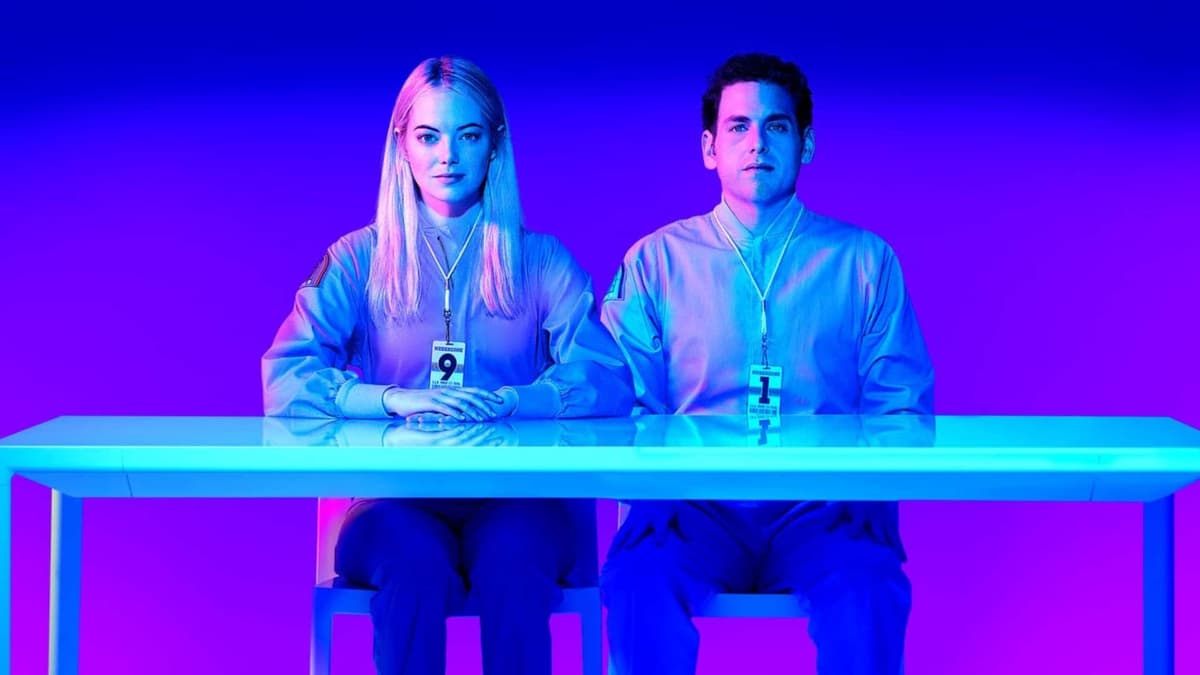
Created by Patrick Somerville, Maniac follows two strangers who participate in a revolutionary pharmaceutical experiment. The promise is tempting: to cure any type of mental suffering without side effects.
In practice, however, the experiment quickly spirals out of control — leading the characters to dive into alternate realities that reflect their deepest traumas.
In recent months, the series has circulated again on social media and recommendation lists, mainly for three reasons: rediscovery in the catalog, growing interest in psychological series, and the continued prominence of its cast in Hollywood.
Maniac's Cast: One of the Major Strengths
One of the most praised aspects of the series is its high-caliber cast, led by award-winning and internationally recognized names. Emma Stone delivers an intense performance as Annie Landsberg, balancing vulnerability and sarcasm, while Jonah Hill surprises by abandoning his comedic style for an emotionally profound portrayal as Owen Milgrim. The chemistry between the two characters is the heart of the series, especially in its most surreal moments.
The supporting cast includes Justin Theroux, Gabriel Byrne, Sally Field, Julia Garner, and Sonoya Mizuno, elevating the overall quality of the production and making each episode more engaging.
Understanding the Story: Science Fiction with Emotional Depth
Unlike traditional series, Maniac relies on a non-linear and highly symbolic narrative. Annie and Owen enroll in a clinical trial that promises to eliminate psychological pain. During the process, they experience different "realities" within their own minds, each representing traumatic memories, repressed desires, and unconscious fears.
The series constantly makes viewers question what is real and what is part of the characters' minds. This narrative device resembles other productions in the genre, but Maniac stands out by balancing science fiction, human drama, and philosophical reflections.
Visual Style and Narrative: A Distinctive Difference
Another strong point of the series is its unique aesthetic. The production blends retro elements with stylized futurism, creating a striking visual universe. Each episode presents changes in genre (drama, comedy, fantasy), distinct settings, and varied visual styles, yet the narrative maintains cohesion — something rare in such experimental productions.