In this article, we gathered five obscure Marvel films that help us understand how the industry evolved — and why the studio's current success is even more impressive.
Marvel's Chaotic Past in Cinema
For much of the twentieth century, Marvel did not have full control over its intellectual properties in cinema. Character rights were frequently sold to different studios, resulting in disconnected adaptations and often of questionable quality.
Low Budget and Technical Limitations
Much of these productions were made with extremely limited resources, which directly impacted the quality of special effects, costumes, and sets.
Lack of Fidelity to Comics
Without the creative oversight that today defines the Marvel Cinematic Universe, many films completely ignored the original stories.
The Quest to Secure Rights
In some cases, films were produced only to maintain adaptation rights, without any real intention of commercial release.
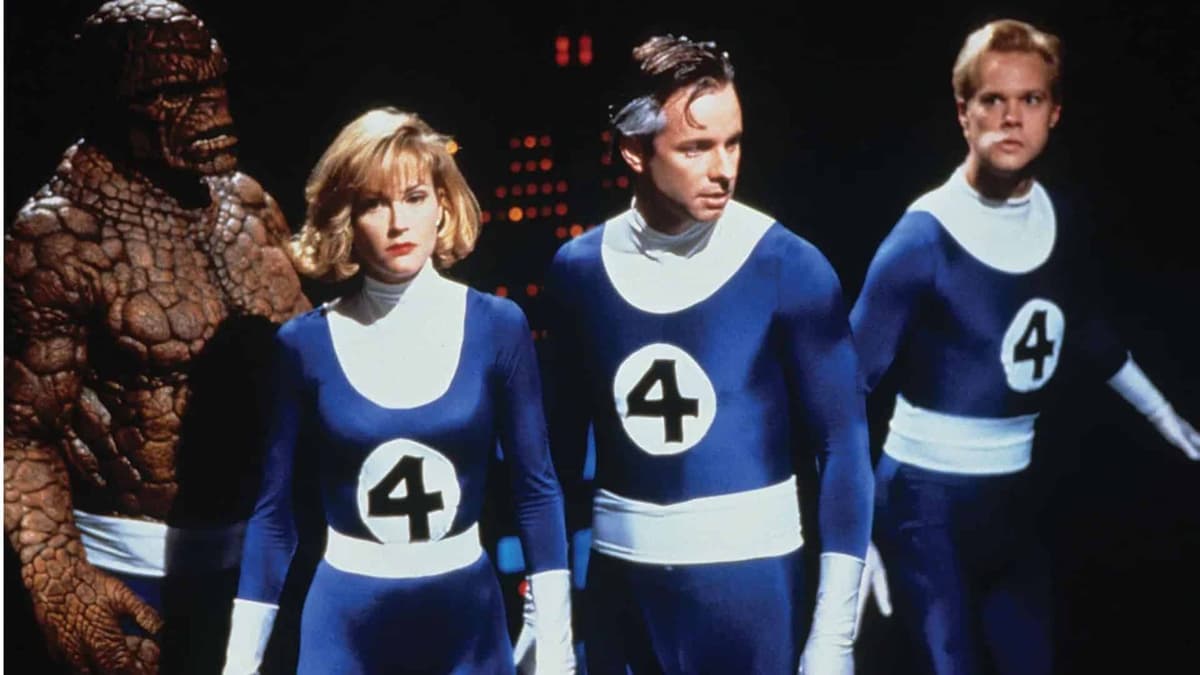
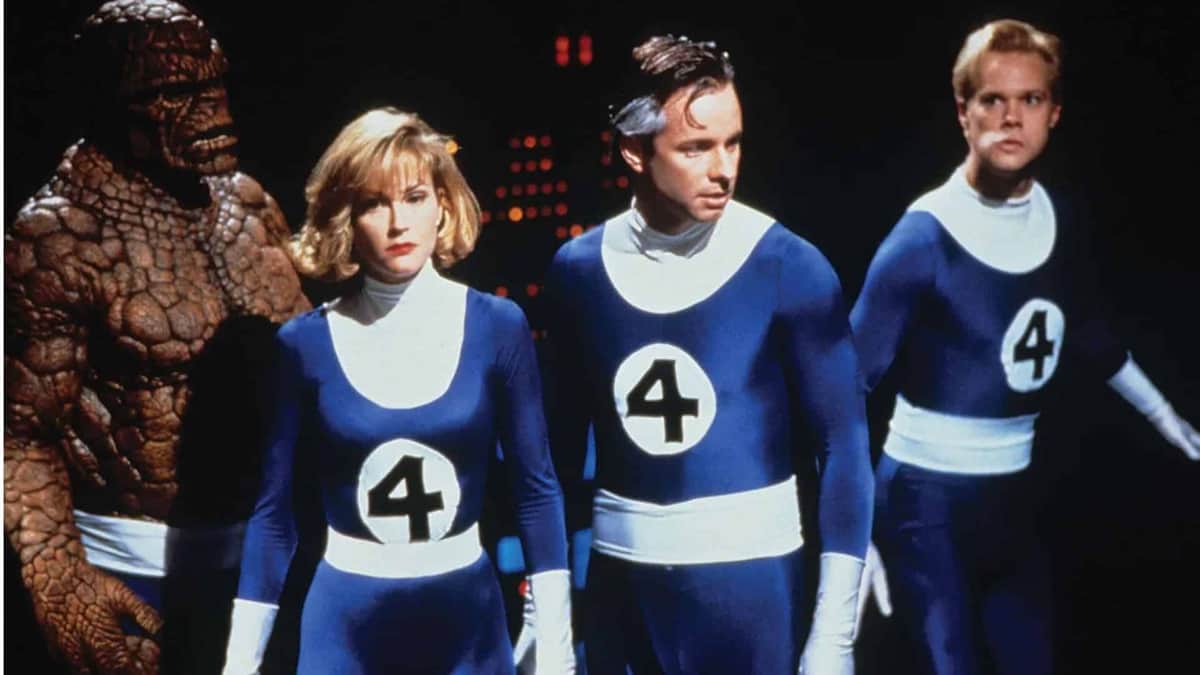
The Fantastic Four (1994): The Film That Shouldn't Exist
Among all the obscure productions, The Fantastic Four is perhaps the most emblematic example.
A Project Made Never to Be Released
Produced with an estimated budget of only $1 million, the film was created exclusively to ensure that the team's rights remained with the responsible studio.
Behind-the-Scenes Strategy
The production even had trailers and promotional events released, but never had an official release.
Cast Deceived
Reports indicate that many team members believed the film would be shown normally, unaware of the project's true purpose.
Cult Status on the Internet
Over the years, pirated copies of the film began circulating, transforming it into a cult phenomenon.
Amateur Aesthetic
The rudimentary special effects and improvised costumes became part of the production's involuntary charm.
Historical Value
Today, the film is seen as a curious record of an era when comic book adaptations were still experimental.
Captain America (1944): The Hero Who Became a Detective
Long before the modern version played by Chris Evans, Captain America had its first adaptation in Captain America.
An Unrecognizable Adaptation
The character was completely altered to fit the format of the serials of the time.
Radical Changes
The protagonist was not Steve Rogers, but a district attorney named Grant Gardner.
Absence of Classic Elements
Iconic items, such as the shield, were replaced by common weapons.
Historical Context
The production was influenced by the climate of World War II, exploring patriotic themes.
Momentary Success
Despite the changes, the serial had good reception at the time.
Later Oblivion
Over the years, the adaptation fell into obscurity, being rarely mentioned.
Generation X (1996): The Adolescent Mutant Experiment
Inspired by the X-Men universe, Generation X was an ambitious television project that attempted to capture the essence of Marvel's mutant team for a young audience.