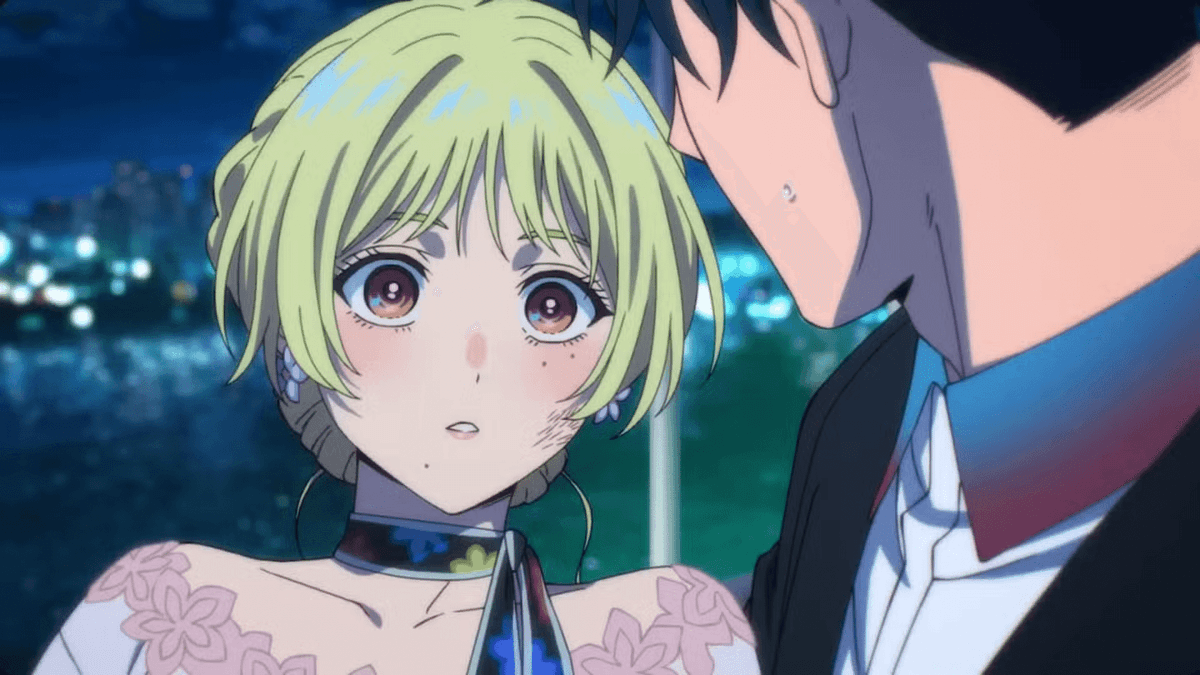
In this article, we analyze in depth the first episode of Marriagetoxin, exploring its strengths, inconsistencies, and the narrative potential that could transform it into one of the most talked-about titles of the season.
An Unlikely Adaptation That Draws Attention
The Role of Shounen Jump+
In recent years, Shounen Jump+ has established itself as a breeding ground for innovative ideas within the manga market. Unlike the traditional Weekly Shonen Jump magazine, the digital platform allows greater creative freedom, opening space for more experimental stories.
Marriagetoxin fits perfectly into this profile. Its narrative escapes the most common clichés of the shounen genre, betting on a mixture of action, comedy, and absurd elements that defy conventional logic.
Modest Sales, High Ambition
Despite not achieving impressive sales numbers, the manga managed to maintain a loyal reader base. Still, its adaptation to anime seemed unlikely — at least within traditional industry standards.
Behind-the-Scenes Influence
The participation of Bones studio in the production raises speculation about the involvement of influential figures who believed in the work's potential. Known for projects like My Hero Academia, the studio rarely bets on titles without some significant differentiator.
A Narrative That Breaks Convention
An Unconventional Protagonist
The central character, Gero Hikaru, is anything but a traditional hero. A professional assassin specialized in poisons, he belongs to a family with a long lineage in this type of activity — a concept that mixes fantasy with the exaggeration typical of manga.
Although the idea of a "family dynasty of poisoners" may seem absurd, it serves as a foundation for a narrative that doesn't try to take itself too seriously.
The Absurd as Narrative Language
From the beginning, Marriagetoxin makes clear that its proposal is to embrace exaggeration. Hikaru's abilities surpass any limit of plausibility, functioning more like superpowers than realistic techniques.
Between Science Fiction and Fantasy
Although not officially classified as science fiction, the anime incorporates elements that flirt with the genre, though without any commitment to technical rigor.
Central Conflict: Marriage, Family, and Identity
The Pressure of Tradition
The main conflict of the story revolves around family pressure for Hikaru to marry and produce an heir. His grandmother represents tradition, insisting on the continuity of the lineage at any cost.
The Question of Sister Akari
Akari, Hikaru's sister, is placed at the center of a delicate dilemma. Being a lesbian and in love with her partner, she refuses to meet the expectations imposed by the family.
Representation and Modern Conflict
The approach to Akari's sexuality adds a contemporary layer to the narrative, contrasting with the traditional values defended by her grandmother.
Kinosaki Mei: The Disruptive Element
Mei represents a key element in disrupting the status quo within the story's dynamics.