The Global Phenomenon of BTS and the Rise of K-pop
The Consolidation of a Cultural Empire
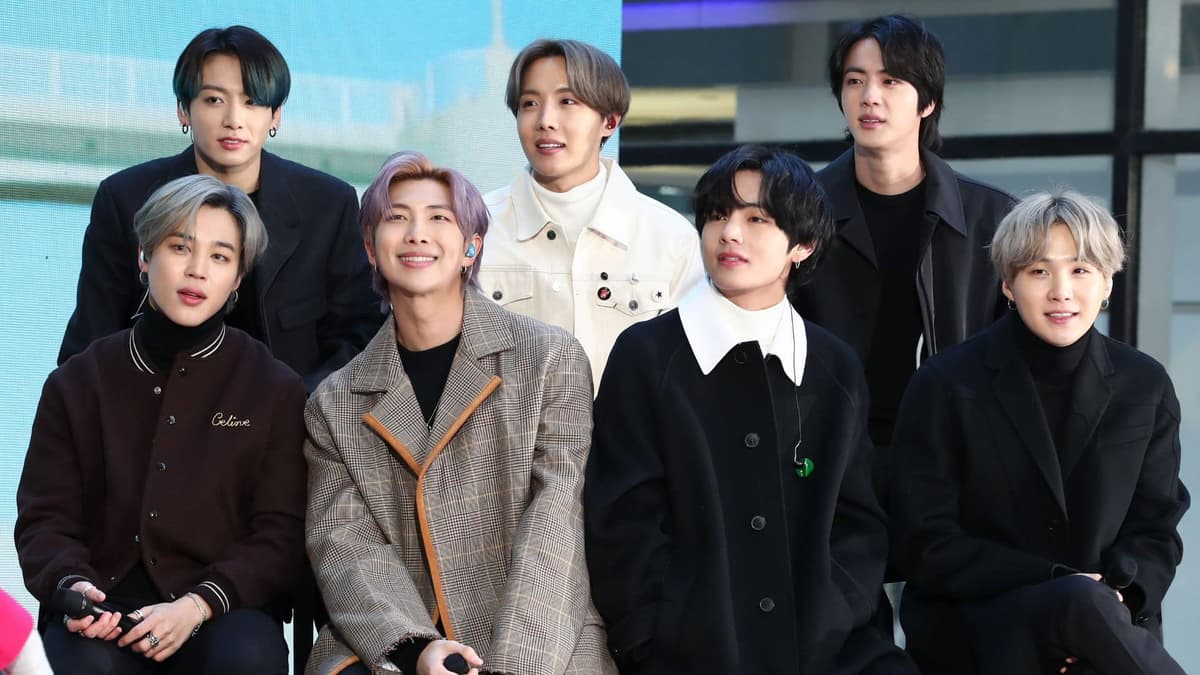
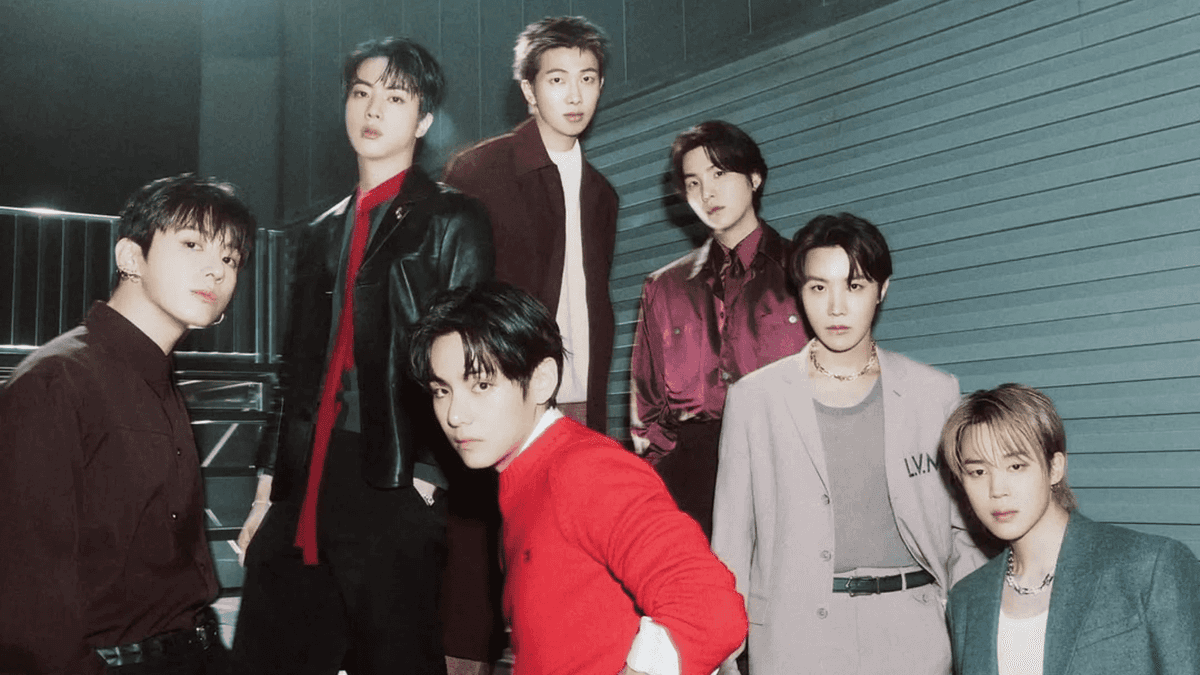
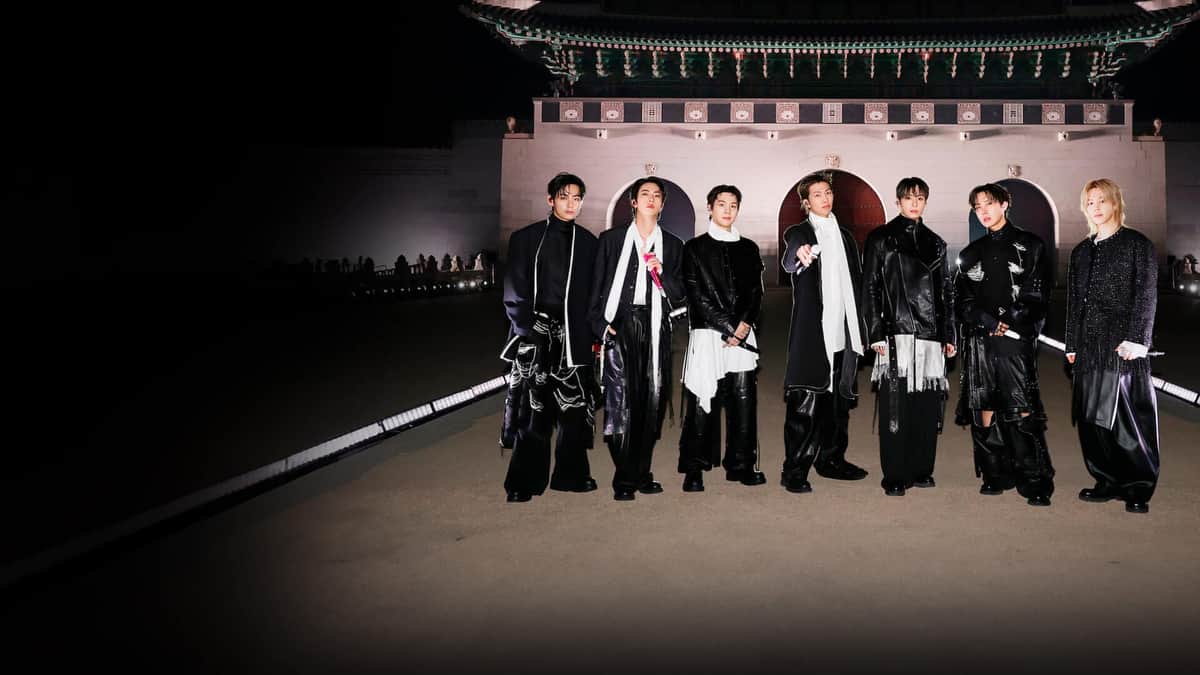
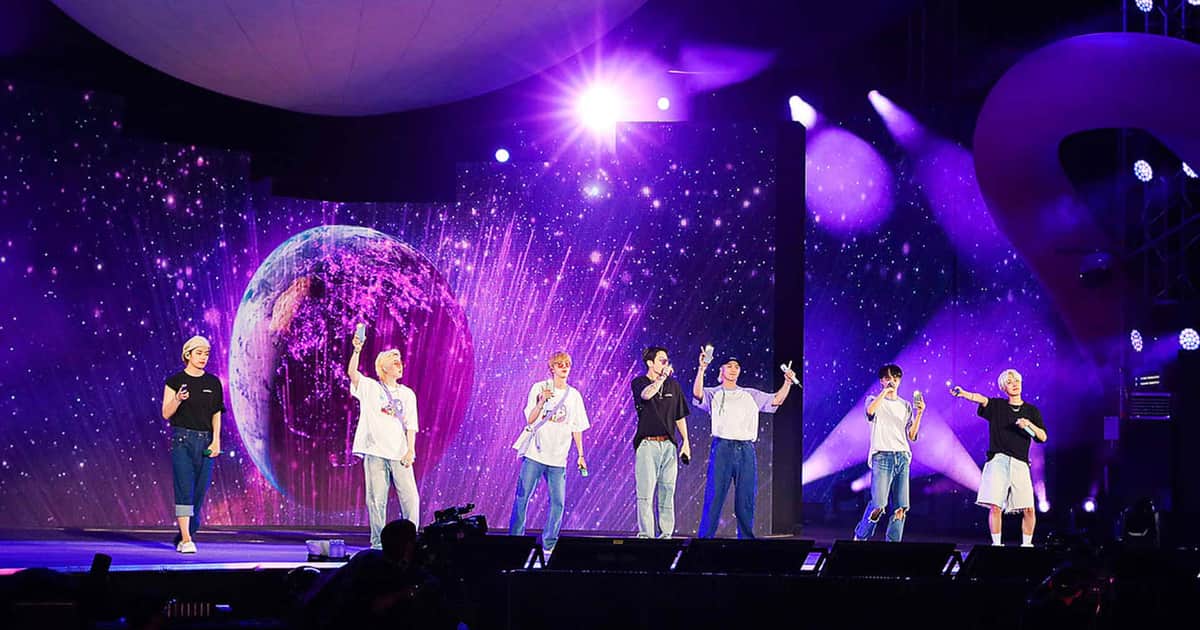
BTS is not just a musical group. It is a cultural phenomenon that has transcended linguistic and geographical boundaries, becoming a symbol of the so-called "Korean Wave" (Hallyu). With hits that dominated international rankings, the group elevated K-pop to a new level.
Alongside other names like Blackpink, BTS helped transform the South Korean industry into a global model for cultural exports. However, this success did not arise by chance — it is the result of a highly structured and competitive system.
The Machine Behind Success
Behind impeccable choreography and sophisticated productions exists an industry that operates with almost industrial precision. Major companies, such as HYBE, invest millions in developing artists from adolescence onwards.
While efficient, this model raises questions about the limits between professional preparation and exploitation.
The Intensive Training System
Rigorous Selection
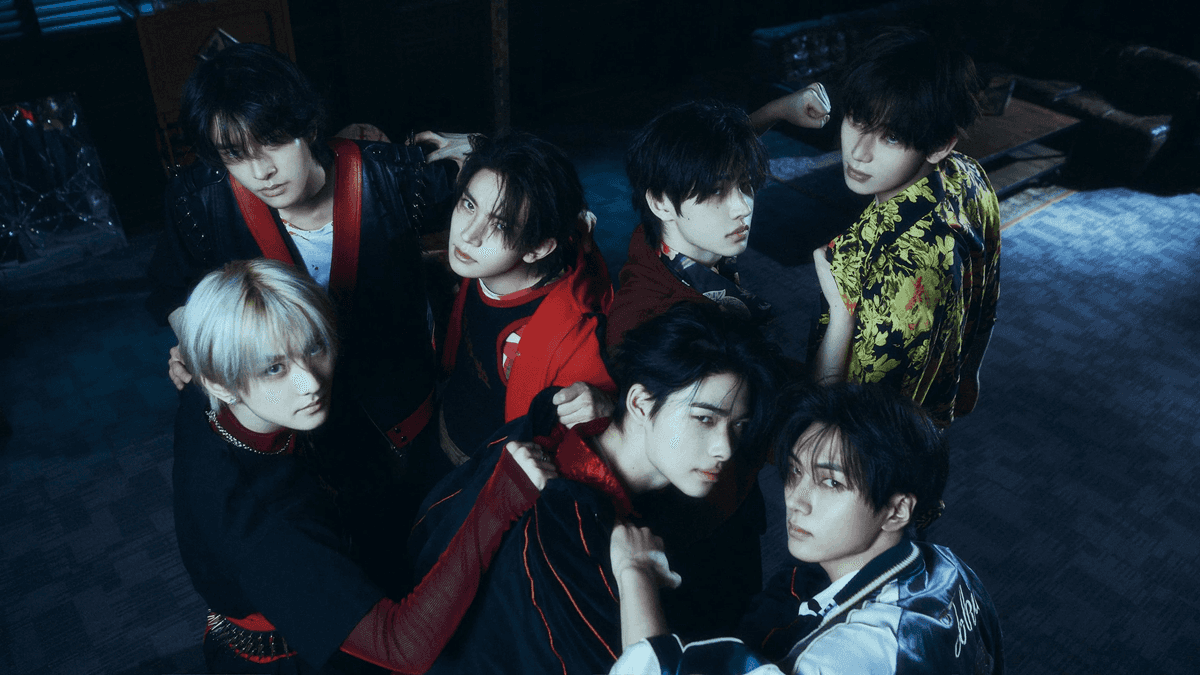
Every year, hundreds of young people participate in auditions hoping to become idols. However, only a small fraction manage to advance. It is estimated that there are around 300 active groups in K-pop, which highlights the level of competition. For every artist that achieves stardom, thousands fall by the wayside.
Exhausting Routine
Trainees—as aspirants are called—face an intense routine that includes daily training, singing and vocal technique classes, hours of dance rehearsals, rigorous physical training, and language and behavior studies. In many cases, the workday exceeds 12 or even 15 hours daily.
Controlled Life
Beyond training, agencies exercise control over various aspects of artists' lives: restrictive diets, weight monitoring, behavioral restrictions, and constant supervision of public image. This reality led former members of groups like Nine Muses to compare the system to a "production line."
Contracts and Power Relations
The So-Called "Slavery Contracts"
For years, the industry was criticized for imposing extremely rigid contracts on artists, with controversial clauses including durations exceeding 10 years, unequal profit distribution, and little creative autonomy.
Following legal disputes involving groups like TVXQ, important regulatory changes were made. South Korea's Fair Trade Commission established limits for contracts, reducing the initial period to seven years. Nevertheless, criticism persists regarding inequality in negotiations.
The Intense Relationship Between Fans and Idols
Building Proximity
One of the pillars of K-pop's success is the close relationship between artists and fans. Digital platforms, live broadcasts, and frequent interactions create a sense of intimacy.