Below, you will discover seven true stories that show how reality can be much more disturbing than fiction within games.
Polybius: the game that may never have existed, but was born from a disturbing reality
The legend of Polybius is one of the most famous in gamer culture. According to reports, a mysterious arcade appeared in game rooms in Portland, United States, in 1981. Without clear identification, the game allegedly caused effects such as amnesia, nightmares, convulsions, and hallucinations.
Men in black were reportedly seen collecting data from the machines, not money. Shortly after, the game disappeared without leaving physical traces.
Despite the absence of concrete proof of its existence, what makes this story disturbing is the real context that sustains it.
The real basis of paranoia
During the 1950s to 1970s, the CIA conducted the MKUltra Project, which involved experiments with mind control, psychoactive drugs, and psychological manipulation techniques — often without participants' consent.
Additionally, records show that the FBI conducted operations in arcades at the time, players really felt sick after long arcade sessions, and there were deaths associated with intensive use of machines.
Polybius may be a legend. But the environment that made it plausible was absolutely real.
E.T. for Atari: the failure that helped bring down an entire industry
The game E.T. the Extra-Terrestrial is often cited as one of the greatest failures in videogame history. But the story behind it is even more impressive.
In 1982, Atari paid millions for the rights to the film E.T. the Extra-Terrestrial, directed by Steven Spielberg. The goal was to release the game in time for Christmas.
The problem? Developer Howard Scott Warshaw had only five weeks to create the game.
A disaster foretold
The result was a confusing, technically problematic, and frustrating game. Millions of copies were produced — more than the market could absorb.
The collapse was inevitable: millions of cartridges remained unsold, consumers returned the product in mass, and Atari's reputation was severely damaged.
In 1983, trucks loaded with games were buried in a landfill in New Mexico — an event confirmed decades later. This episode alone did not cause the so-called videogame Crash of 1983, but it perfectly symbolized the overconfidence and mismanagement that led the industry to collapse.
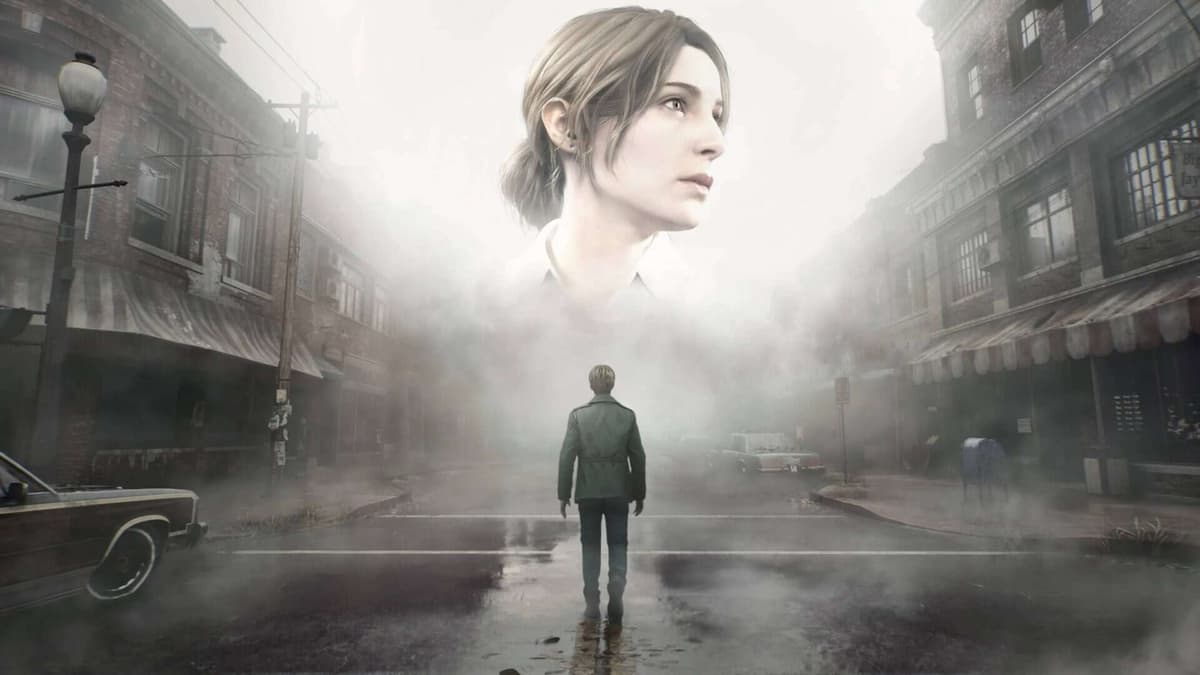
Silent Hill and the real city that burns to this day
The suffocating atmosphere of the Silent Hill franchise did not arise out of nowhere. It was inspired directly by a real place: Centralia.
A fire that never ends
In 1962, a fire began in a coal mine beneath the city. The fire spread through underground tunnels and remains active to this day.
The consequences were devastating: constant emission of toxic gases, cracks in the ground releasing smoke, and nearly complete evacuation of the population.
The city became practically a ghost town.