
Dead Like Me (2003): The Dark Comedy That Turns Death into Black Humor

Dead Like Me is a dark comedy-drama that, with its unique approach, managed to captivate a loyal fanbase despite its short run. Released in 2003, the series was created by Bryan Fuller, known for his work in other cult productions like Pushing Daisies.
With a curious plot full of black humor, Dead Like Me mixes death, the afterlife, and everyday situations in a irreverent way.
Below you can continue
reading the article
The story follows George Lass (played by Ellen Muth), a young woman who, after dying tragically, finds herself transformed into a soul reaper. Instead of moving on to the afterlife, she now has the job of collecting souls of people about to die.
With a unique perspective on death and life, Dead Like Me explores themes like acceptance of death, the search for purpose, and adapting to a new reality after death.
Read more:
Joe Pera Talks With You: The Kindest, Slowest, and Surprisingly Deep Comedy Series on Television
Synopsis of Dead Like Me: What Happens After Death?
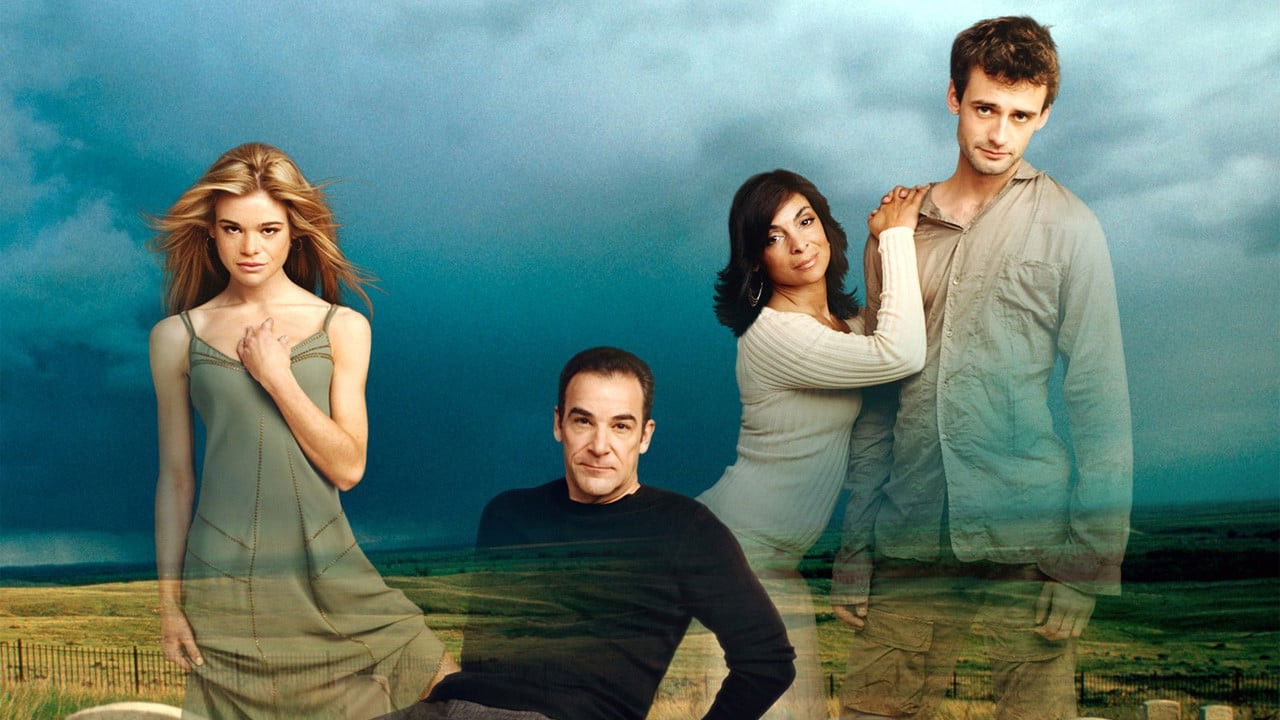
The Death of George Lass
George Lass is an 18-year-old girl living a normal life, until the day she tragically dies, hit by a piece of a toilet that falls from a satellite.
Her death is quick and unexpected, and George finds herself transformed into a soul reaper, whose job is to guide deceased individuals to the afterlife.
As a reaper, George now becomes part of a group of dead beings, who carry out similar tasks, collecting souls from people about to die.
Each of these reapers has their own personalities and complicated pasts, making the afterlife an even more complex experience for George.
While learning to cope with her new job, she tries to reconnect with her living family and friends, while grappling with questions about what it means to be "dead" and what is left for her when life has already passed.
Main Characters of Dead Like Me
George Lass: The young reaper in search of answers
George Lass, played by Ellen Muth, is the protagonist of the series. Her journey of self-discovery is marked by a dark sense of humor and an internal struggle to understand her new role in the world of the dead.
Initially, George resists the idea of being a reaper, as she never had a life she considered meaningful. She tries to cope with the loss of her identity while grappling with the dilemma of being a "dead" person who still feels a connection to the living world.
With an introverted and somewhat sarcastic personality, George tries to understand the complexities of her new existence while adapting to the job of collecting souls.
Her interactions with the other reapers help reveal her own evolution, and throughout the series, she develops a deeper understanding of herself and her mission.
Rube Sofer: The leader of the reapers
Played by Mandy Patinkin, Rube Sofer is the leader of the reapers and responsible for guiding George and her colleagues. Rube is an enigmatic figure, with a tough and pragmatic approach to the job of collecting souls.
His past is also mysterious, and throughout the series, his personal story is slowly revealed, showing a man who, despite his apparent harshness, also carries his own pain and regrets.
Rube is one of the most charismatic figures in the series and becomes a sort of paternal figure for George and the other reapers, offering advice and showing the importance of accepting what cannot be changed.
The other reapers
In addition to George and Rube, the series features other characters that are part of the reaper team:
- Mason (played by Callum Blue): An irreverent and playful reaper, who has a carefree attitude about death and the work he does.
- Daisy Adair (played by Laura Harris): A reaper with a complicated past, who has a more romantic view of death, contrasting with Rube's more pragmatic perspective.
- Roxy Harvey (played by Jasmine Guy): A former police officer who, after her death, becomes a reaper, demonstrating a strong sense of justice and loyalty.
These characters become part of George's journey, providing moments of drama, comedy, and often deep reflections on life and death.
Main Themes in Dead Like Me
Black humor: Death with a dash of comedy
The series is a true rollercoaster of emotions, with black humor being its most distinctive feature.
Dead Like Me is not afraid to approach death in an irreverent way, making it so that death is not just a tragedy, but something that can be treated with humor and a lighter perspective.
The series explores how each of the characters deals with death and the concept of end of life, while allowing the audience to laugh at the unusual situations these reapers find themselves in.
The work of George and her colleagues is often accompanied by absurd situations, sarcastic jokes, and the constant feeling that, despite everything, life goes on, even after death.
Reflections on life and death
Despite its humorous tone, Dead Like Me also provides a deep analysis of the meaning of life and death. The series places the characters in situations that force them to reflect on their choices, their regrets, and the moments that defined their lives.
George's work as a reaper offers a metaphor for the need to find purpose even in the most unexpected circumstances.
By interacting with the living and the dead, she learns to accept death as an inevitable part of existence and, eventually, to find meaning in her own journey.
Family and personal relationships
Although the series has a strong focus on the afterlife, it also touches deeply on human and family relationships, especially George's relationship with her family, who are still dealing with her premature death.
Throughout the series, George tries to connect with the living, despite her inability to be seen or touched. The series addresses the impact of death on the people close to her and how, many times, those who are left behind also need to learn to deal with loss and grief.
The Critical Reception and Legacy of Dead Like Me
A cult series with a loyal fanbase
Although Dead Like Me did not achieve great success in ratings during its original run, the series quickly became a cult after its end, mainly due to its unique approach to death and the way it blends comedy and drama.
The complex characters and sharp writing, along with Ellen Muth's charismatic performance, helped the series maintain a loyal and dedicated audience.
Critics praised the way the series tackles difficult themes, like death and grief, with a lightness that allows the audience to laugh and reflect simultaneously. Additionally, George's character was widely recognized for her depth and how she faced the afterlife.
The movie "Dead Like Me: Life After Death"
In 2009, the series received a TV movie, titled Dead Like Me: Life After Death, which was an attempt to provide closure to the story of George and her fellow reapers.
The movie, while not as acclaimed as the series, was still a way to satisfy fans who were eager for a conclusion.
Conclusion: Is Dead Like Me Worth Watching?
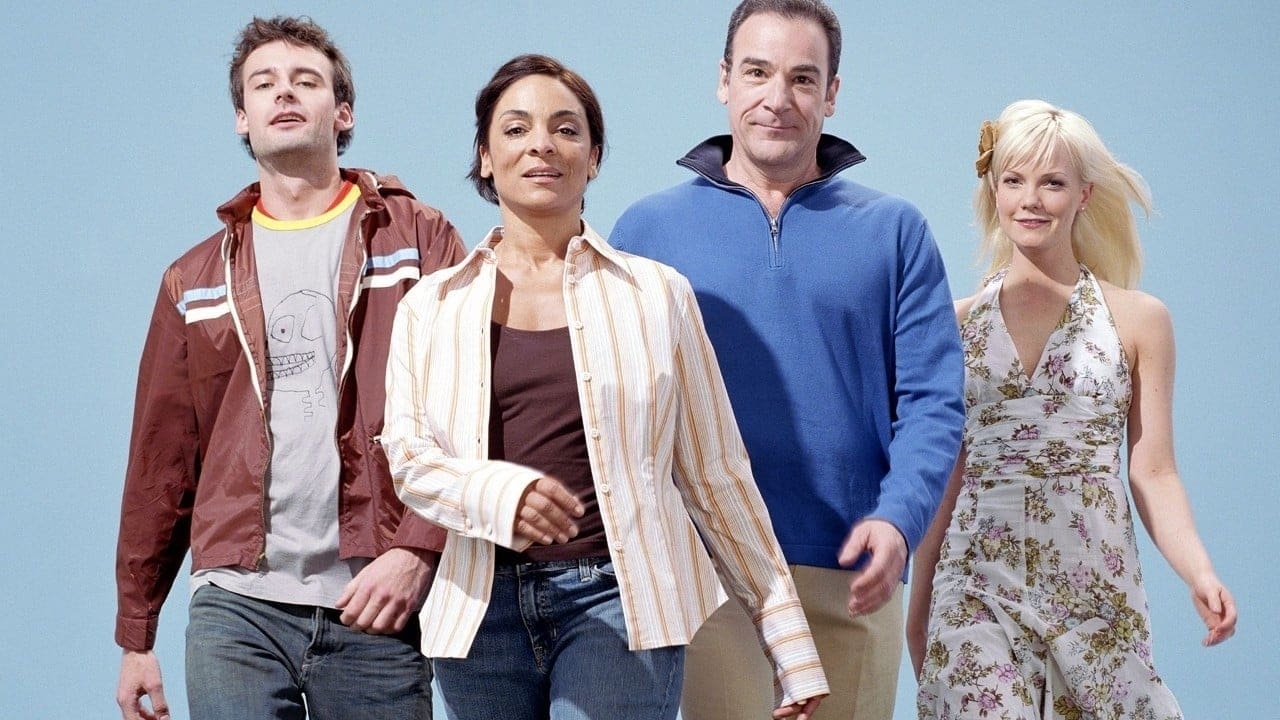
Dead Like Me is a unique series that, with its black humor and bold approaches to death and the afterlife, stands out as a cult work of television.
With memorable characters, sharp dialogues, and a plot that skillfully mixes drama and comedy, the series offers both a fun and reflective experience.
If you enjoy dramedies that aren't afraid to explore the darker side of life, Dead Like Me is a series worth watching.
With its mix of laughter and tears, the series invites the audience to reflect on what it means to live and die, all while enjoying an engaging narrative and captivating characters.
Watch the "Dead Like Me" trailer
In Brazil, "Dead Like Me" is available on Amazon Prime Video.


