In this article, you'll understand why Sarah's Art became one of the most talked-about titles on streaming, discover the ending explained, its main social critiques, and find out if it's worth watching.
What is Sarah's Art and why is it such a hit?
The series' premise is simple but powerful: Sarah Kim, a woman surrounded by luxury and prestige, is found dead — or so it seems. From there, the plot transforms into a puzzle of false identities, ambitions, and manipulations.
The series' differentiator lies in how it constructs its narrative:
A police thriller with social criticism
Unlike many K-dramas focused solely on romance or family drama, Sarah's Art dives into denser themes:
- The superficiality of the elite
- The power of appearances
- The ease of manipulating status-based systems
- The thin line between fraud and "entrepreneurship"
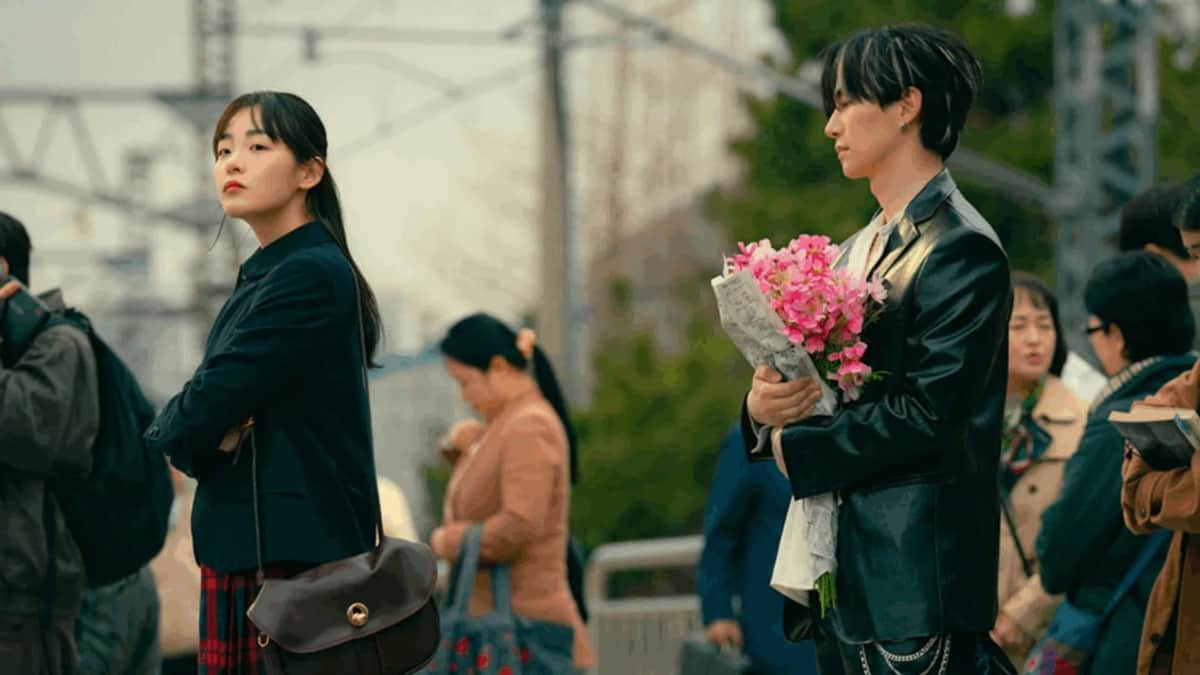
The protagonist, played by Shin Hye-sun, represents a complex figure: simultaneously victim, manipulator, and symbol of a flawed system.
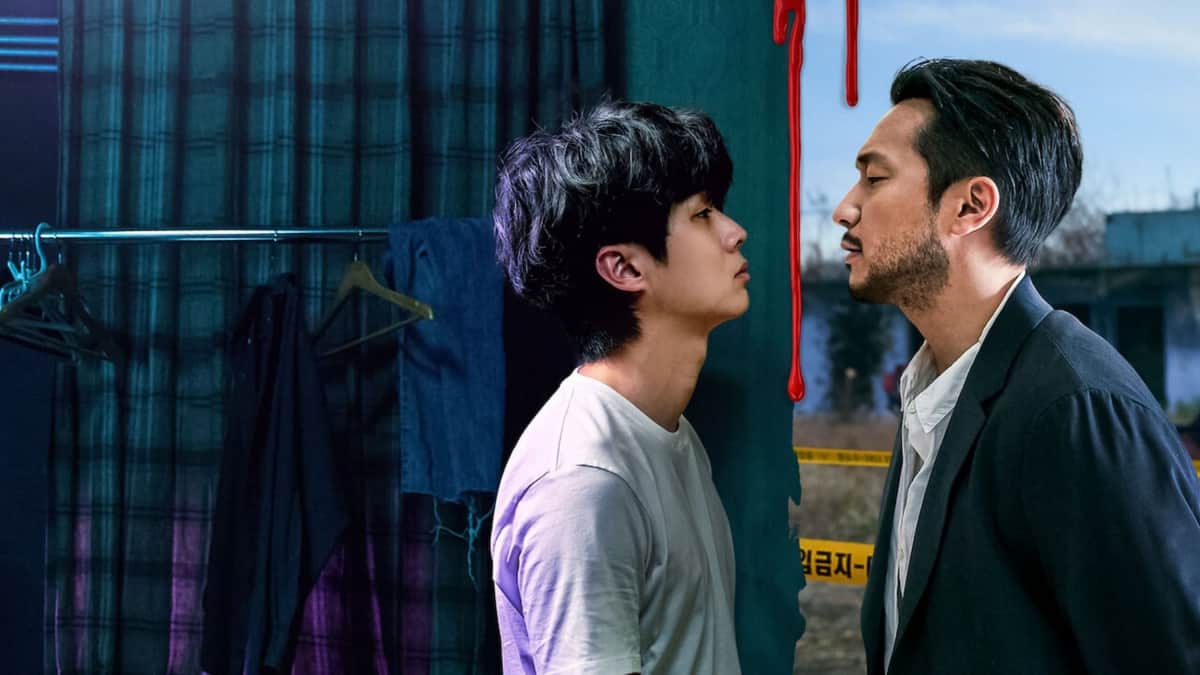
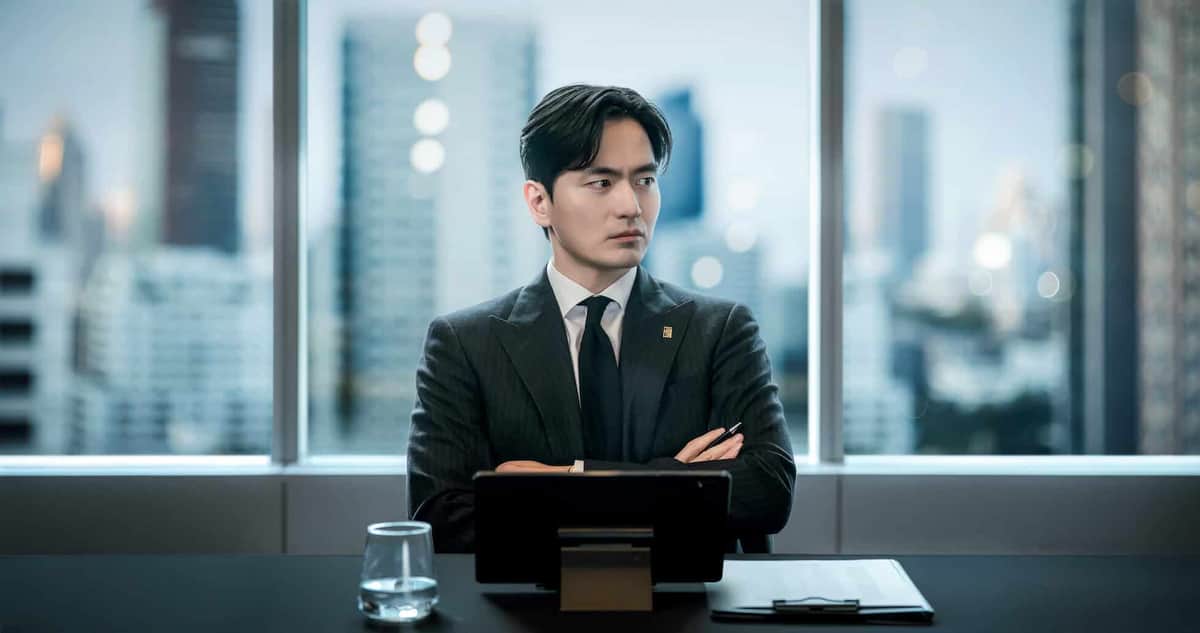
Detective Park Mu-gyeong, played by Lee Jun-hyuk, assumes the role of someone trying to make sense of the chaos — even if he doesn't always succeed.
Comparison with Inventing Anna: no commitment to reality
Many viewers quickly associated the series with Inventing Anna, another streaming hit that also addresses scams within high society.
But there's a fundamental difference:
Fiction without narrative limits
While Inventing Anna is based on real facts, Sarah's Art is entirely fictional. This provides freedom to:
- Create bolder plot twists
- Explore more direct social critiques
- Build more ambiguous characters
In practice, this makes the K-drama even more incisive. It doesn't need to stick to reality — and uses this to question the very concept of truth.
Structure of Sarah's Art: why it captivates so much?
One of the production's major successes lies in how the story is told.
First half: investigation and past
In the early episodes, the focus is on reconstructing who Sarah really was. The narrative uses flashbacks to reveal:
- Her social ascent
- Connections with the elite
- Secrets behind her image
This format keeps viewers curious, creating a constant sense of discovery.
Second half: cat and mouse game
In the final stretch, the series takes on a more traditional police thriller pace:
- The detective tries to gather evidence
- Suspects enter and exit the narrative
- Tension increases with each episode
Despite being engaging, this is where some criticism arises.
Strengths and weaknesses of the K-drama
What works very well
- Sharp dialogue in the script
- Consistent social criticism
- Striking performances
- Brisk pace (only 8 episodes)
The series manages to discuss complex themes without becoming tedious, something rare in productions of this genre.
Where the series stumbles
At some moments, the plot relies on unrealistic decisions from investigators to sustain certain plot twists. This is a problem that slightly undermines the narrative's credibility in its final act.